
Last updated November 16, 2026
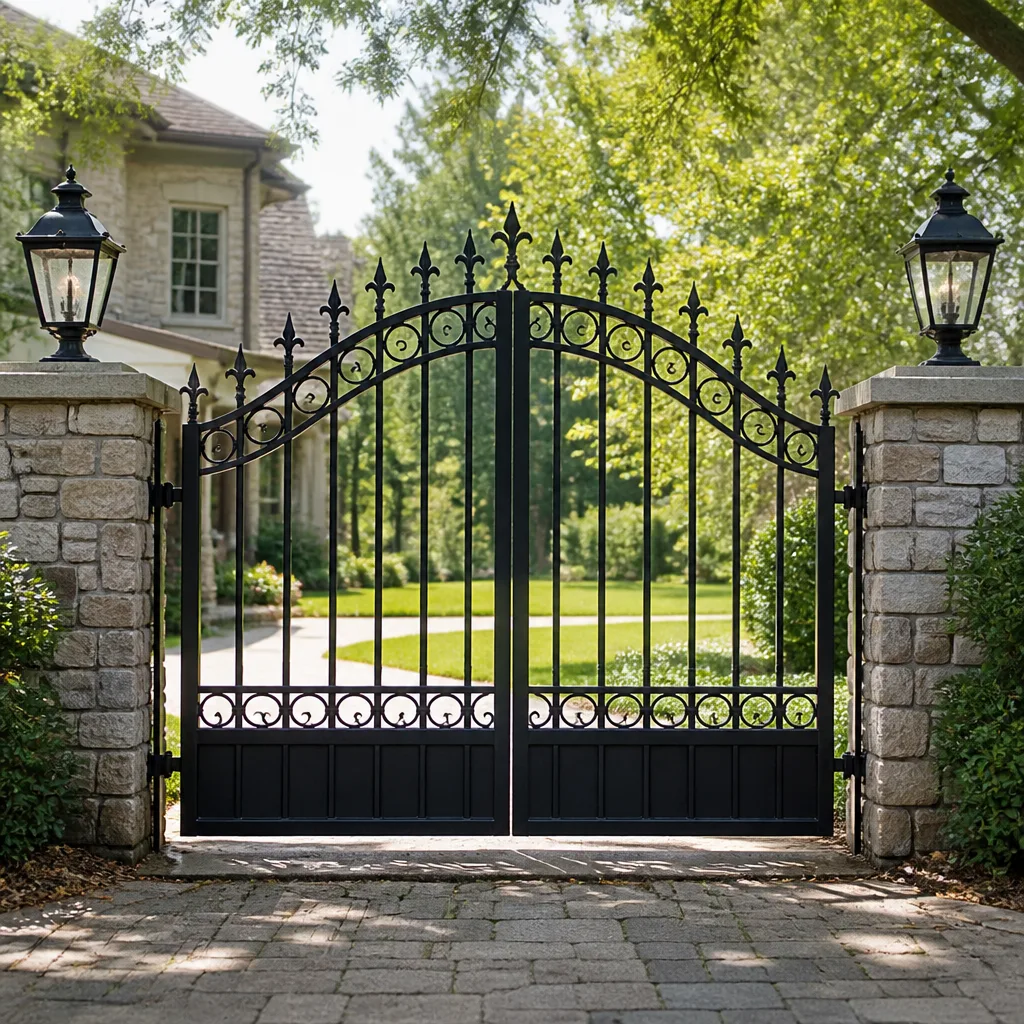 Wrought iron
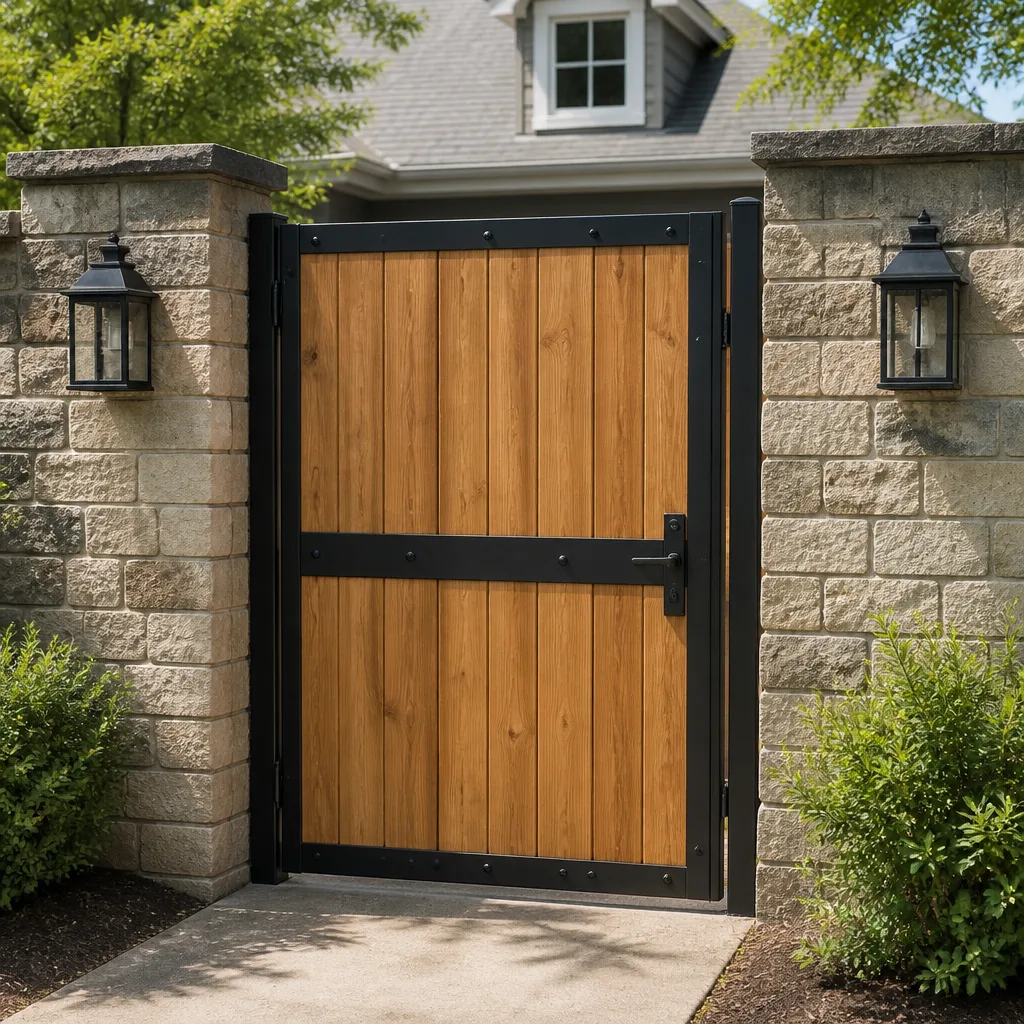 Wood & steel frame
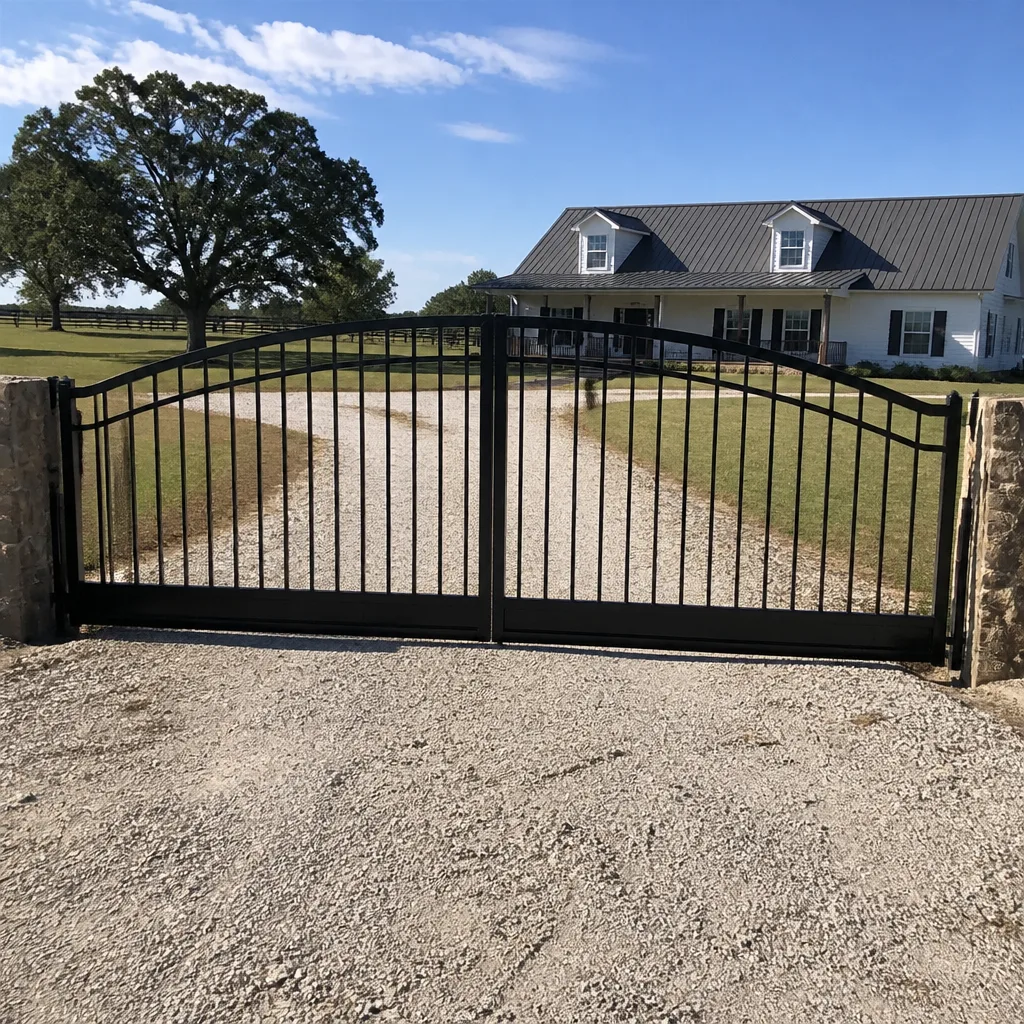 Farm & ranch
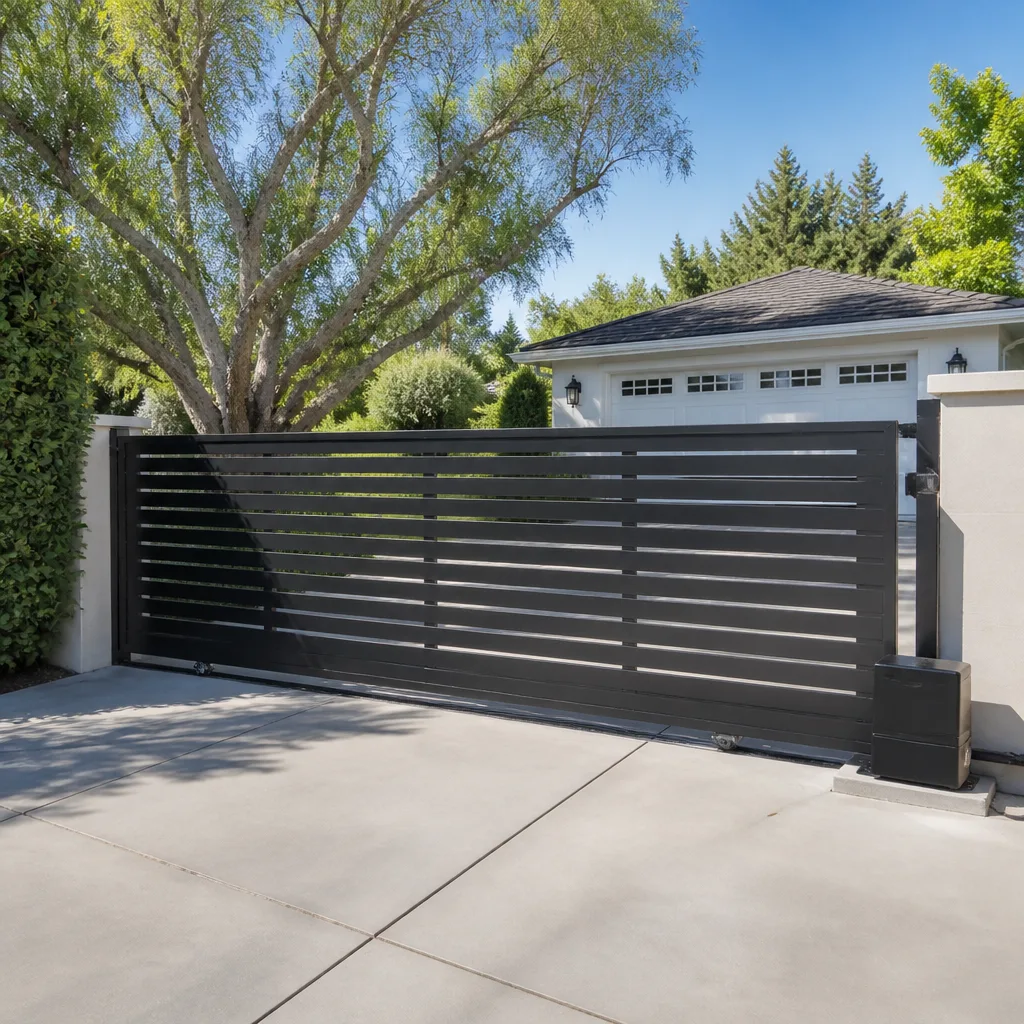 Sliding driveway gates
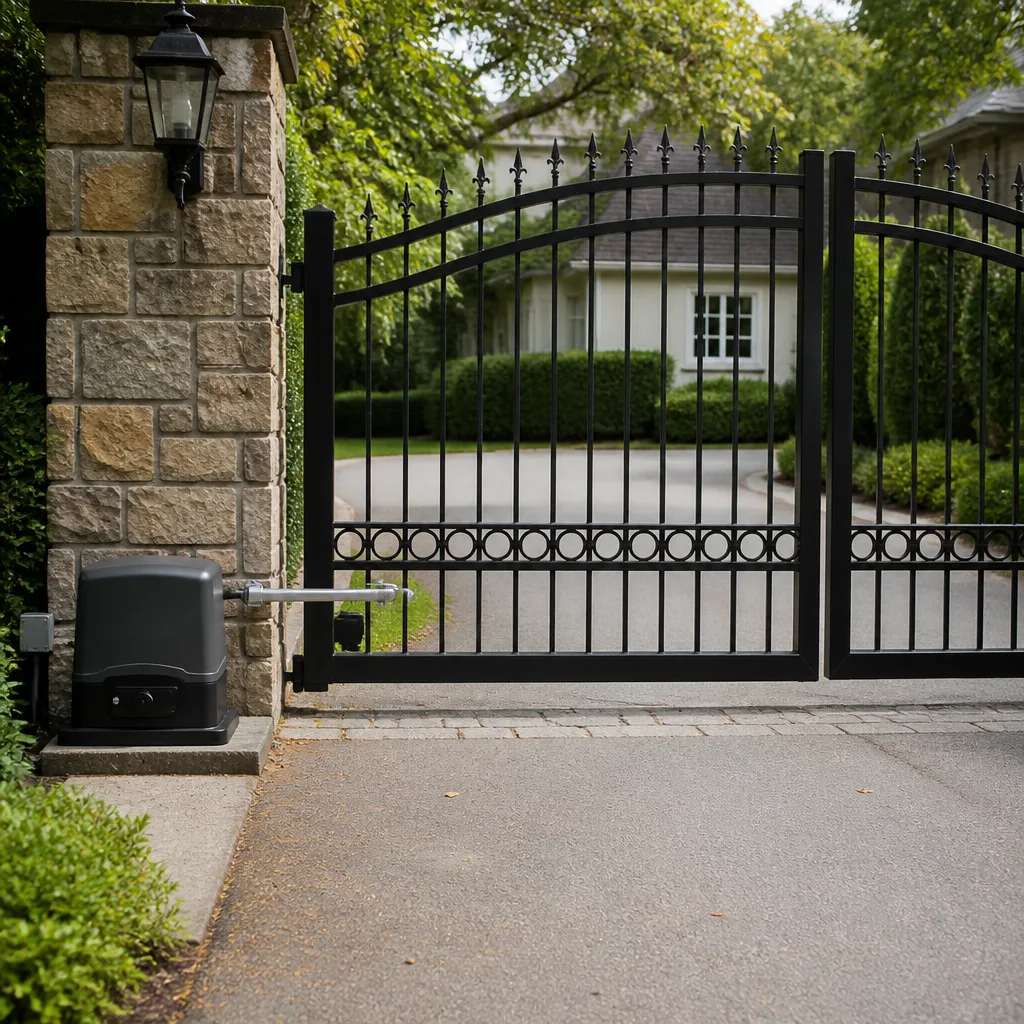 LiftMaster operators
Free on-site gate assessment - hinges, posts, and your LiftMaster or Nice gate operator checked before anything is quoted
The assessment is free and the quote is the invoice.
Get your free estimateGate Repair Emergency Preparedness Guide for Norfolk Homes
Most gate advice tells you to call a technician when something breaks. That’s the easy part. The hard part is the hour before anyone arrives, when your gate is jammed open onto a city street or sealed shut with your car on the wrong side of it. Norfolk homeowners face a specific kind of gate trouble: wind-driven rain off the Chesapeake, old brick walls that shift, and a hurricane season that turns a sticking slide gate into a real security problem. This guide walks you through what to do now, before an emergency, so a failure never catches you guessing. You’ll learn where your manual release lives, how to protect the property when a gate won’t close, how to prep for storm season, and how to vet a repair specialist before you need one.
Quick Answer
Gate emergencies fall into two categories with opposite responses. A security emergency is a gate stuck open, which needs immediate physical protection of the opening while you wait for repair. An access emergency is a gate stuck closed, which needs the manual release operated so you and your vehicles aren’t trapped. Preparing both in advance, and knowing how to reach a gate specialist, is what turns a frantic night into a controlled one. Gate Repair Norfolk answers calls 24/7, with fast dispatch from 7am to 7pm, Sunday through Friday.
Styles & brands we work with
- Wrought iron
- Wood & steel frame
- Farm & ranch
- Sliding driveway gates
- LiftMaster operators
Table of Contents
- The Two Kinds of Gate Emergency
- How to Find and Operate Your Manual Release
- Brand-Specific Release Notes: LiftMaster, Viking, FAAC
- Security Protocol When Your Gate Won’t Close
- Pre-Storm Gate Preparation for Norfolk’s Hurricane Season
- How to Vet a 24-Hour Gate Repair Specialist Before You Need One
- What to Have Ready When You Call
- Year-Round Habits That Prevent Emergencies
The Two Kinds of Gate Emergency
Every gate failure you’ll face as a Norfolk homeowner is really one of two problems, and mixing them up costs you time. Understanding the split is the foundation of any real emergency plan.
A security emergency is a gate that won’t close. The operator runs, the gate stalls, or it swings partway and stops. Your property is now exposed to the street, and depending on where you live, that could mean a busy block off Granby Street or a quiet lane near Ghent. The immediate priority is physical protection of the opening, not the motor.
An access emergency is a gate that won’t open. The gate is stuck shut. You can’t get your car out, or guests and deliveries can’t get in. This is inconvenient but rarely a security problem. The priority here is safe operation of the manual release so access is restored without damaging the operator.
Why does the split matter? Because your first action differs completely. With a gate stuck open, you secure the perimeter. With a gate stuck closed, you free the gate. If you operate the manual release on a slide gate that’s jammed mid-track, you can walk it back by hand but you haven’t fixed the underlying problem, and a gate that stops halfway is a crush hazard. In either case, the real fix belongs to a trained technician who understands the operator, not just the gate.
We’ve seen both scenarios play out across Norfolk, and in our experience the homeowners who recover fastest are the ones who identified which emergency they were in before they touched anything.
How to Find and Operate Your Manual Release
Every automated gate has a manual release. Most homeowners have never touched it, which is a problem, because in a storm or a power outage the release is your only way in or out. Finding it now is the single most valuable thing you can do this week.
Where it lives depends on the operator type, but here’s the general process for locating yours:
- Look at the operator housing. On a swing gate, the operator is usually mounted on a post or the gate itself near the hinge. On a slide gate, it sits at one end of the track. The release is typically a keyed lever, a pull handle, or a small key slot on the housing.
- Find the release key or handle. Many systems ship with a manual release key that fits a lock cylinder on the operator. If you don’t have it, check the paperwork from installation, or ask the technician on your next service call to show you the release and give you a spare key.
- Test it once, now. With the gate stopped and the power off, operate the release by hand. You should hear the drive disengage and feel the gate move freely. Then re-engage it. This one dry run teaches you the motion so you aren’t learning it in the dark.
- Walk the gate by hand. Once disengaged, a swing gate should swing open smoothly. A slide gate should roll along its track without catching. If it binds, that’s a track or wheel problem a technician needs to look at, not something to force.
On most residential operators, the release is a simple mechanical lever, but the exact motion varies. LiftMaster swing operators, for instance, typically use a keyed release that disengages the gear on the arm, while many slide operators use a chain hoist or a pull-and-turn handle. Getting the motion wrong can jam the operator, so if yours doesn’t release smoothly on the first try, stop and call a specialist rather than forcing it.
One safety note: never put your hands or arms near the gate’s moving path, the operator arm, or a slide gate’s track while the power is on or while the gate is coasting. Heavy gate panels can crush, and a slide gate that comes off its track is genuinely dangerous. Leave the mechanical work to a trained technician. Your job in an emergency is to know where the release is and how it moves, not to disassemble anything.
Brand-Specific Release Notes: LiftMaster, Viking, FAAC
The three operator brands we see most often on Norfolk residential gates each handle manual release a little differently. Knowing which one you have tells you what to expect before you reach for a tool.
LiftMaster
LiftMaster residential swing and slide operators usually feature a keyed mechanical release on the operator housing. The release key disengages the drive gear, letting the arm or carriage move by hand. If your system uses a battery backup, the gate may still try to close on its own after a power blip, so disable the operator at the control panel before you operate the release. When a LiftMaster unit won’t respond to the remote but the gate works by hand, the issue is usually in the operator’s control logic, not the gate itself, which is exactly the kind of brand-specific fault a specialist diagnoses with the actual control board in hand.
Viking
Viking operators, common on gated driveways around Norfolk, typically use a release lever or keyed handle on the operator body. The release disengages the drive so the gate swings freely. Viking units are known for solid mechanicals but sensitive limit settings, so if your gate reverses or stops short after a storm, the release won’t fix it. Get the gate into manual hold and book a technician who works with Viking logic systems.
FAAC
FAAC covers a wide range from residential swing operators up to heavier commercial units. On most FAAC residential models the manual release is a keyed mechanism that disengages the motor, often a lever under a lock cover on the housing. On larger FAAC systems the release can be hydraulic, and forcing a hydraulic release the wrong way can damage the operator. If you’re not certain which FAAC model you have, treat the release gently and let a technician walk you through it.
We work on the brand you already have, from Mighty Mule residential units to heavy FAAC operators, so when you call, tell us the brand and we can match the diagnosis to the actual system. For any of these brands, electric gate repair starts with identifying the operator before anything else.
Security Protocol When Your Gate Won’t Close
A gate stuck open is a security problem first and a mechanical problem second. Your first 30 minutes should focus on protecting the property, not on the motor. Here’s a sequence that works.
- Confirm the gate is truly stuck and not just waiting. Many operators pause after an obstruction or a power dip. Check whether anything is blocking the safety sensors or the gate’s path. Clear the path and try the remote once more before assuming a fault.
- Get the gate into a closed position manually if you can do it safely. If the operator is disengaged, walk a swing gate closed by hand and use a physical chain or prop to hold it. Never put your body between the gate and its frame or track. If you can’t close it safely, skip this step.
- Physically block the opening. A temporary barricade, a vehicle parked across the mouth of the driveway, or a chain across the posts protects the opening while you arrange repair. This is the fastest way to restore a basic level of security without touching the mechanism.
- Check whether the operator has a hold-open setting. Some systems can be locked in an open or closed position from the control panel. If the gate is jammed mid-travel, don’t force it; a partially open heavy gate is a crush hazard.
- Call for repair. For a genuinely stuck gate, this is the step that actually resolves the problem. A specialist can identify whether the fault is the motor, a sensor, the control board, or a mechanical track issue, and get the gate back into service.
In Norfolk, a gate left open overnight on a street near a commercial corridor is a real exposure, and homeowners in busier neighborhoods feel it most. The physical barricade buys you time. For the fuller picture on restoring a working gate, our gate repair service covers both manual and automated systems.
Pre-Storm Gate Preparation for Norfolk’s Hurricane Season
Norfolk’s exposure to hurricanes and nor’easters is the single biggest driver of gate emergencies here. Wind-driven rain, debris, and power loss all hit a gate at once. Preparing before the storm is cheaper and safer than recovering after it.
The key decision is whether to leave your gate in manual hold-open or secure-closed mode. Here’s how to think about it:
- Choose secure-closed when the gate is your primary perimeter defense and you expect to be home through the storm. Disengage the operator, close the gate by hand, and brace or chain it shut. This protects the property if power fails and the operator can’t run.
- Choose manual hold-open when you may need to leave quickly or first responders may need access. A gate stuck closed during an evacuation is a serious safety problem. Put the gate in manual mode and leave it open, then secure the opening another way if you can.
- Never leave an operator in automatic mode through a storm. A power surge or repeated cycling can damage the control board, and a gate that tries to close on debris can crush or jam.
Other pre-storm steps that matter in Norfolk:
- Clear debris and loose branches from the gate’s travel path so a wind-blown limb can’t jam the track.
- Check the track and hinges for grit or rust before the storm, not after.
- Confirm your manual release still works and you have the key.
- Note your operator brand and model so a call for repair after the storm is fast and accurate.
One local detail worth knowing: older Norfolk properties with brick walls and long driveways sometimes have gates that don’t sit perfectly plumb, and storm settlement can throw a slide gate off its track. If your gate looks out of line after a storm, don’t run the operator; a slide gate that comes off the track is a genuine crush hazard. Our team at Gate Repair Norfolk can assess the full system and recommend repair or a fresh install if the frame has shifted.
How to Vet a 24-Hour Gate Repair Specialist Before You Need One
Finding a gate specialist at 11 p.m. during a storm is the wrong time to start researching. Vet your repair contact now, while the gate is working and you have time to ask real questions. Here’s how to separate a true gate specialist from a general handyman or fence contractor.
- Ask if they specialize in gates. A company that treats gates as an add-on to fencing or general repair won’t have the electrical and automation knowledge an operator needs. Ask specifically whether they work on electric and automated systems.
- Ask which brands they service. A specialist can name the systems they work on and troubleshoot brand-specific control boards. Gate Repair Norfolk services nine name brands, from LiftMaster and FAAC to Mighty Mule and DoorKing, and works with the actual motors and logic systems rather than applying a one-size-fits-all fix.
- Confirm they handle your system type. Residential swing, slide, and commercial-grade operators are different animals. Make sure the specialist can work on yours.
- Ask what happens when you call. For us, we answer 24/7, and for repair calls we offer fast dispatch from 7am to 7pm, Sunday through Friday. A call outside those hours is booked into the next opening.
- Ask whether they offer full installation too. A specialist who can both repair a failing operator and install a new system means you don’t need a second contractor if repair turns into replacement.
- Confirm pricing is quoted before work starts. A good specialist gives you a written estimate and gets your agreement before touching the gate.
Keep that specialist’s number where you can find it in the dark: in your phone, on the fridge, and in the glove box. The whole point of vetting in advance is that during the emergency you’re not deciding whom to trust, just making the call.
What to Have Ready When You Call
A fast, accurate dispatch depends on what you tell the specialist on the phone. Five pieces of information get you a faster diagnosis and a more accurate arrival window.
- Gate brand and model. LiftMaster, FAAC, Viking, and the rest each have distinct control systems. The brand narrows the likely cause fast.
- Operator type. Swing or slide? Residential or commercial-grade? This tells the technician what parts and tools to expect.
- Any error code or display message. Many operators show a fault code on the control panel or a light pattern on the board. Read it out. This alone can shortcut the whole diagnosis.
- Last maintenance or service date. A gate that’s been serviced recently and suddenly fails points to a different cause than one that hasn’t been touched in years.
- What the gate is doing right now. Close to stuck open or stuck closed? Does it move partway? Are the safety sensors clear? Is the power on?
Having this ready turns a panicked call into a precise one. If you’re unsure of your model, snap a photo of the operator housing and the control panel before you call.
Year-Round Habits That Prevent Emergencies
Most gate emergencies are the endpoint of a slow problem, not a sudden failure. A few habits through the year keep a gate out of the emergency category.
- Test the manual release a few times a year. If it binds, that’s a warning. A release that won’t operate is a bigger problem during a storm.
- Keep the track and hinges clean. Grit and rust cause a slide gate to bind, and a binding gate puts strain on the operator.
- Check the safety sensors. Dirty or misaligned sensors cause a gate to reverse or refuse to close. Clear them as part of routine upkeep.
- Listen for changes. A motor that sounds strained or a gate that reverses unexpectedly is telling you something. Book a service visit before it fails.
- Book a one-time maintenance visit before storm season. A technician can check the operator, the release, the track, and the sensors in one visit. We price it per job after we look at the gate, so you know the cost before anything starts.
Those habits won’t stop every failure, but they turn the odds in your favor. For a working gate, our gate repair services handle both mechanical and automated issues, and if a gate is beyond saving, we also handle full installation so you’re not left searching for a second contractor.
Common Mistakes to Avoid
- Never force a jammed gate open or closed. A heavy panel that’s stuck mid-travel can crush or swing unexpectedly when forced. Stop and call a specialist.
- Don’t ignore a manual release that won’t engage. That’s often the first sign of an operator problem, and discovering it during a storm is too late.
- Don’t run the operator through a power surge or storm. Leave it in manual mode. An operator cycling into debris can damage the control board or the gate itself.
- Don’t hire a general handyman for an automated gate. Electric and automated systems need someone who understands the control logic, not just the mechanicals.
- Don’t wait until the gate is stuck to test it. A release you’ve never operated is a release you can’t rely on. Dry-run it while the gate works.
- Don’t force a hydraulic release. On FAAC and similar systems, operating a hydraulic release the wrong way can damage the operator. Ask a technician if you’re unsure.
- Don’t accept any price that isn’t written down before work starts. Get the estimate in writing and agree to it before the technician begins.
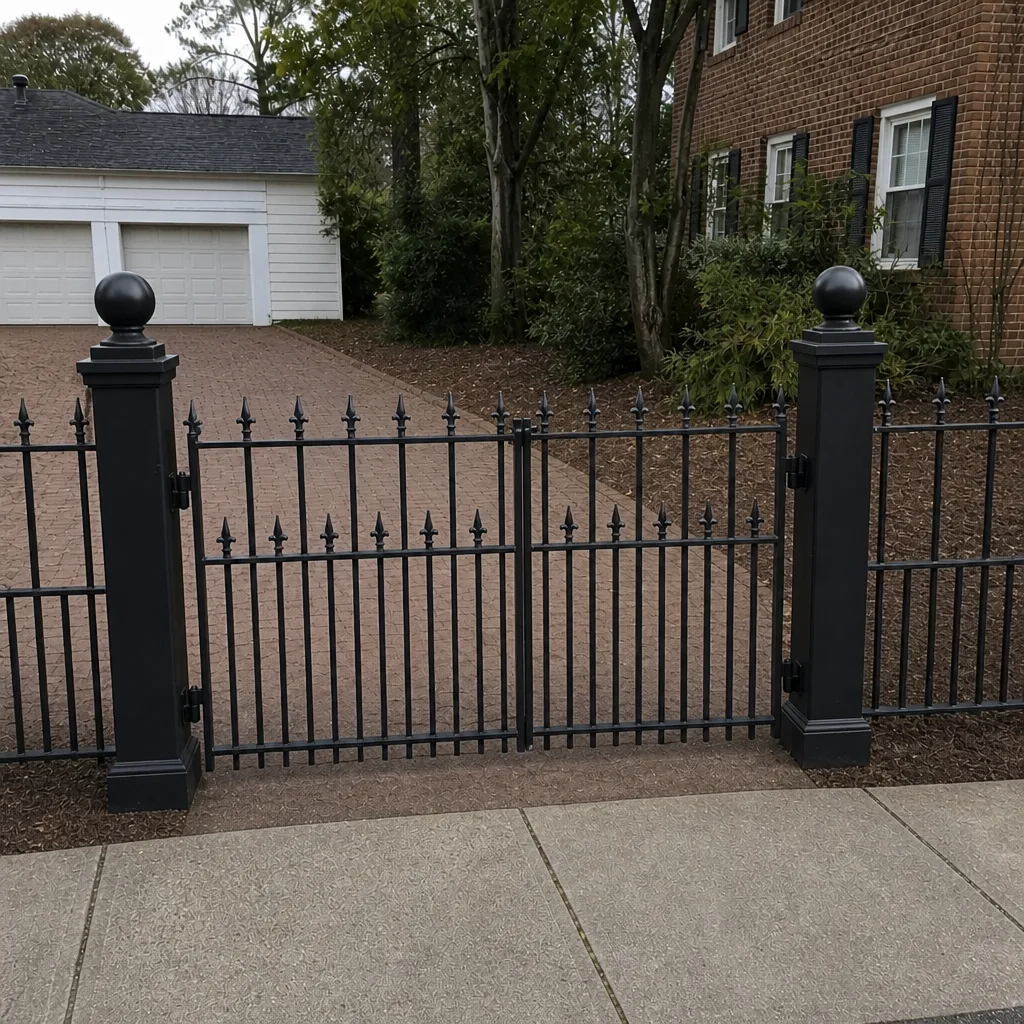
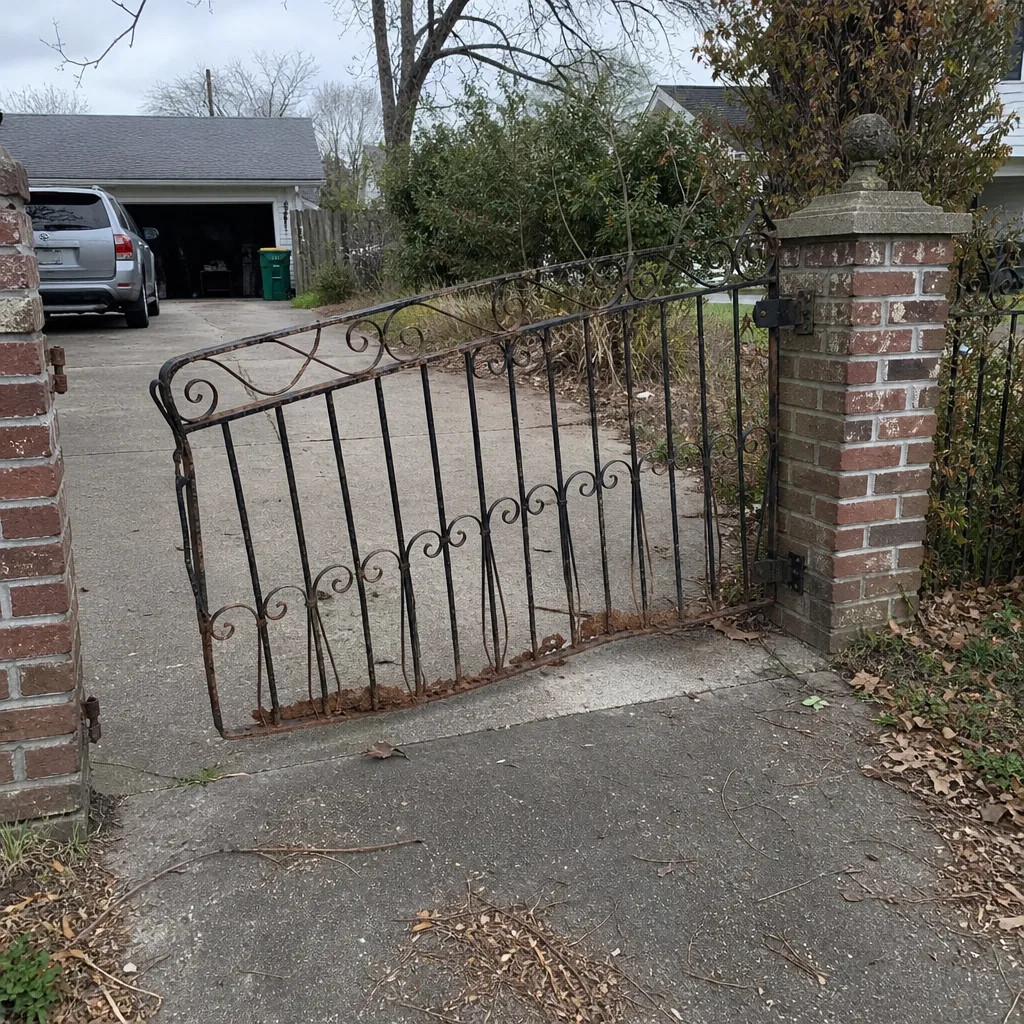
See the difference
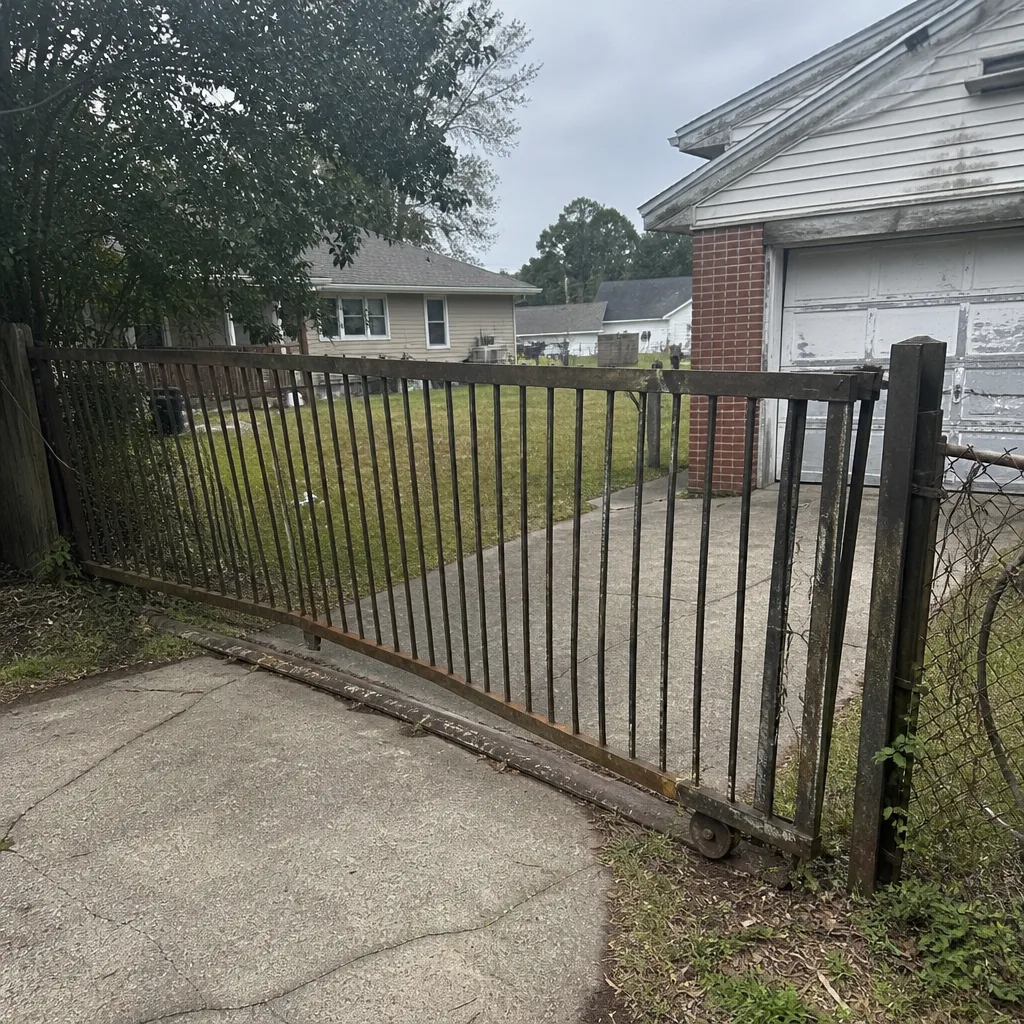 Before
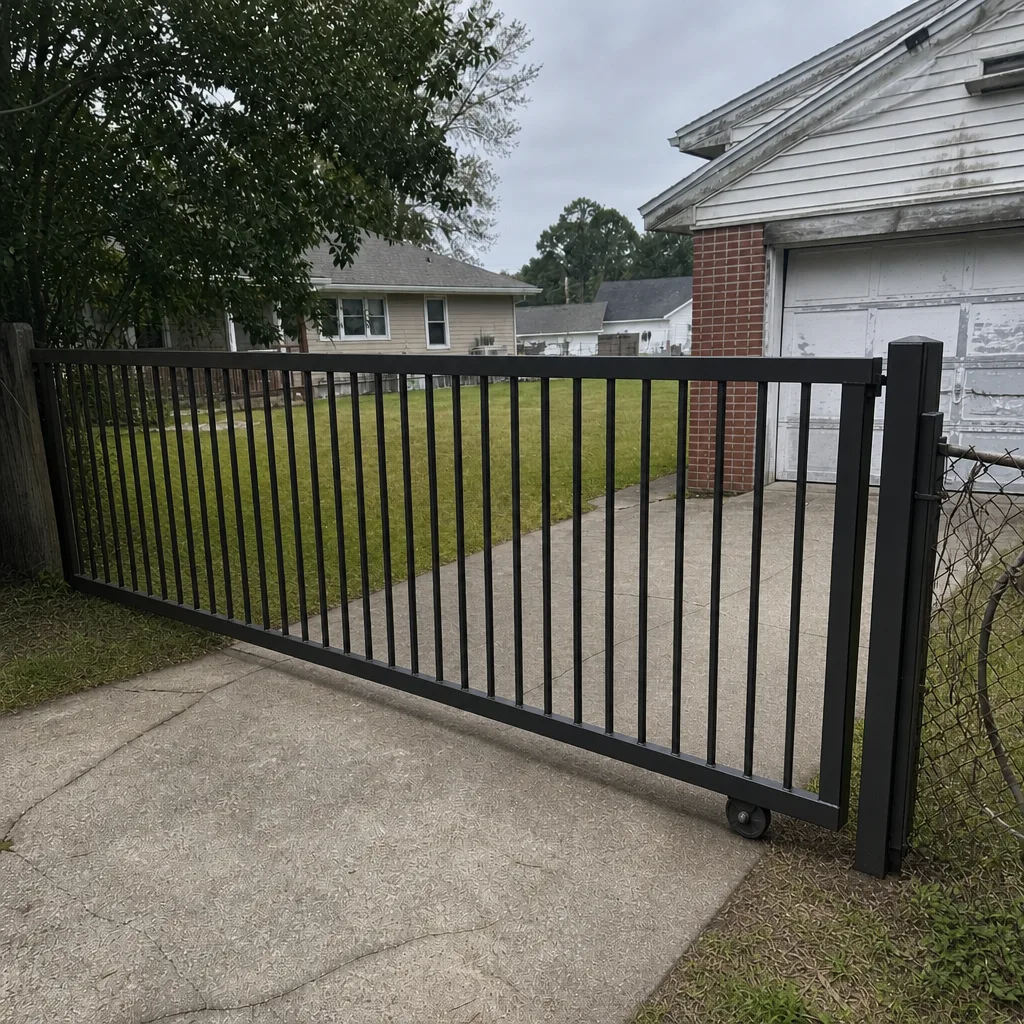 After
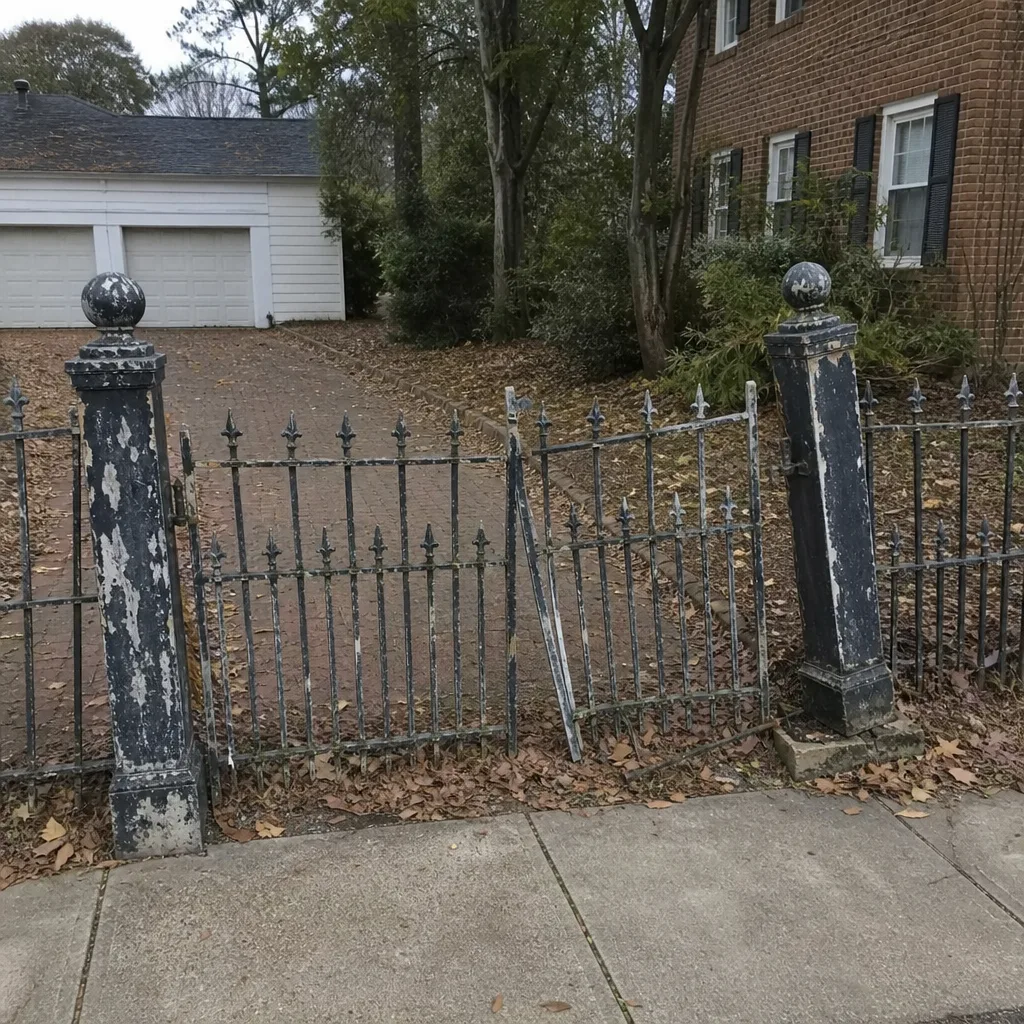 Before
 After
 Before
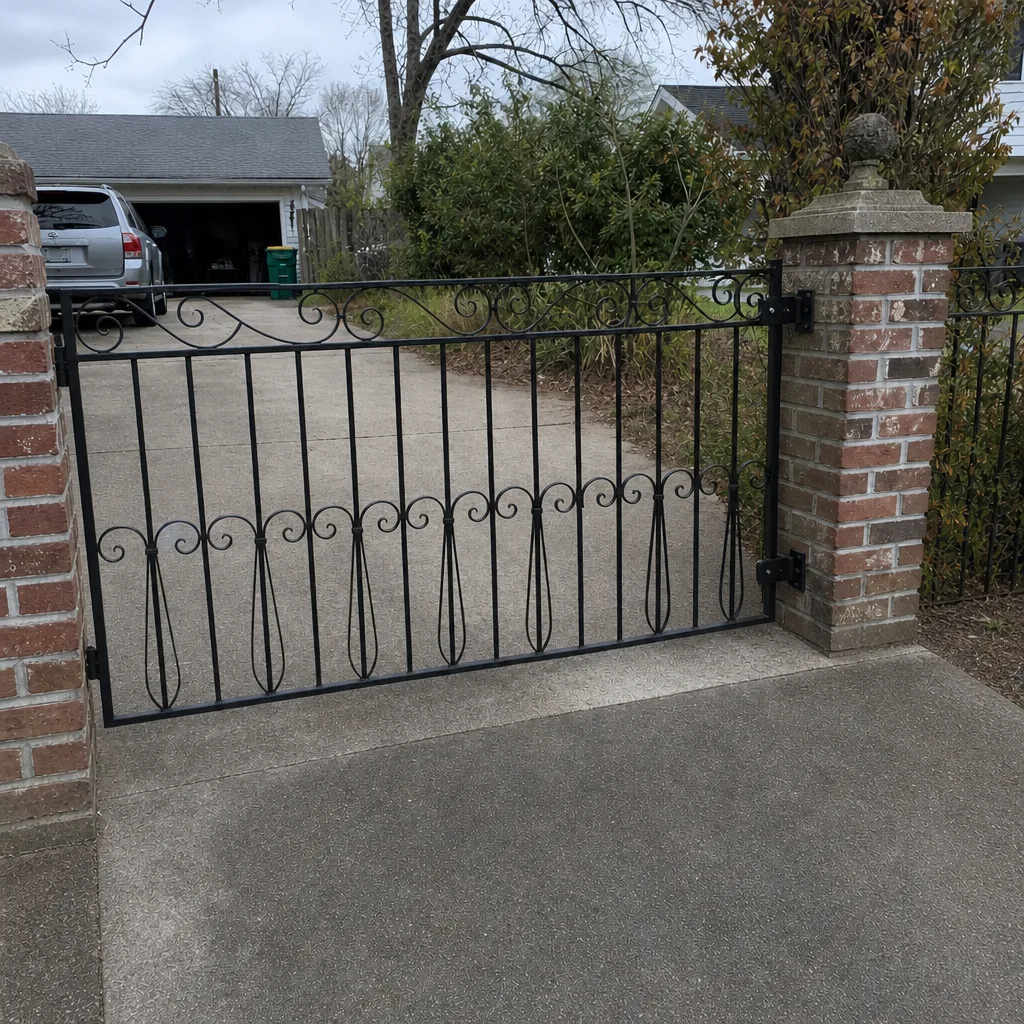 After
When to Call a Professional
You should call a professional when the gate won’t close and your property is exposed, when the gate won’t open and you’re locked in or out, when the operator shows an error code or behaves erratically, when a slide gate comes off its track, or when the manual release won’t operate. Any of these means a trained technician should look at the system. A gate that’s jammed, a panel that won’t travel evenly, or an operator that reverses without reason all point to a fault that gets worse with use. Don’t force anything, and keep your hands clear of the gate’s path. Gate Repair Norfolk offers free estimates in Norfolk. Call (844) 410-6351. We answer 24/7. Fast dispatch from 7am to 7pm, Sunday through Friday. If you’re outside those hours, we’ll book you into the next opening. Our technicians have up to 9 years of experience with the systems you’re most likely to have at your property.
Frequently Asked Questions
The manual release is on the operator housing and usually takes the form of a keyed lever, a pull handle, or a key slot. On a swing gate the operator sits near the hinge or on a post; on a slide gate it’s at one end of the track. Test it once while the power is off and the gate is stopped. If it doesn’t move smoothly, stop and call a specialist. Call (844) 410-6351 for an exact quote, and estimates are free.
Protect the opening first. Clear the sensor path and try the remote once; if it still won’t close, physically block the opening with a vehicle, a barricade, or a chain across the posts, and don’t put your body near the gate’s travel path. Then call for repair. We answer 24/7, with fast dispatch from 7am to 7pm, Sunday through Friday.
Choose secure-closed if the gate is your primary perimeter defense and you’ll be home; choose manual hold-open if you may need to leave quickly or first responders may need access. Never leave the operator in automatic mode through the storm. If you’re unsure which brand or setting you have, call (844) 410-6351 and we’ll help you decide.
We service nine name brands, including LiftMaster, FAAC, Viking, Mighty Mule, Linear, BFT, Ghost Controls, DoorKing, and Elite, across both residential and commercial-grade systems. We diagnose the actual control board and motor rather than applying a generic fix. Call (844) 410-6351 with your brand and model for a free estimate.
Have your gate brand and model, the operator type, any error code or display message, the last service date, and a clear description of what the gate is doing right now. That gets you a faster diagnosis and a more accurate arrival window. Call (844) 410-6351. We answer 24/7.
Yes. We repair failing operators today and install new systems when repair isn’t the right call, so you don’t need a second contractor. Installation is scheduled after a free measure and a written price. Call (844) 410-6351 for details on installation.
The Bottom Line
Gate emergencies come in two forms, and your response differs completely. A gate stuck open is a security problem: protect the opening first and call for repair. A gate stuck closed is an access problem: operate the manual release and get the gate back into service. The time to learn where your release is, how your operator behaves, and who you’ll call is now, while the gate works. Prepare for Norfolk’s storm season, test your release, and vet a gate specialist before you need one. Then when a gate fails, you’re making the call, not the decisions. For Norfolk homeowners, HOA managers, and commercial property owners, that preparation is the difference between a controlled hour and a frantic one. Call (844) 410-6351 for a free estimate. We answer 24/7. Fast dispatch from 7am to 7pm, Sunday through Friday.
Written by the team at Gate Repair Norfolk.