
Last updated November 16, 2026
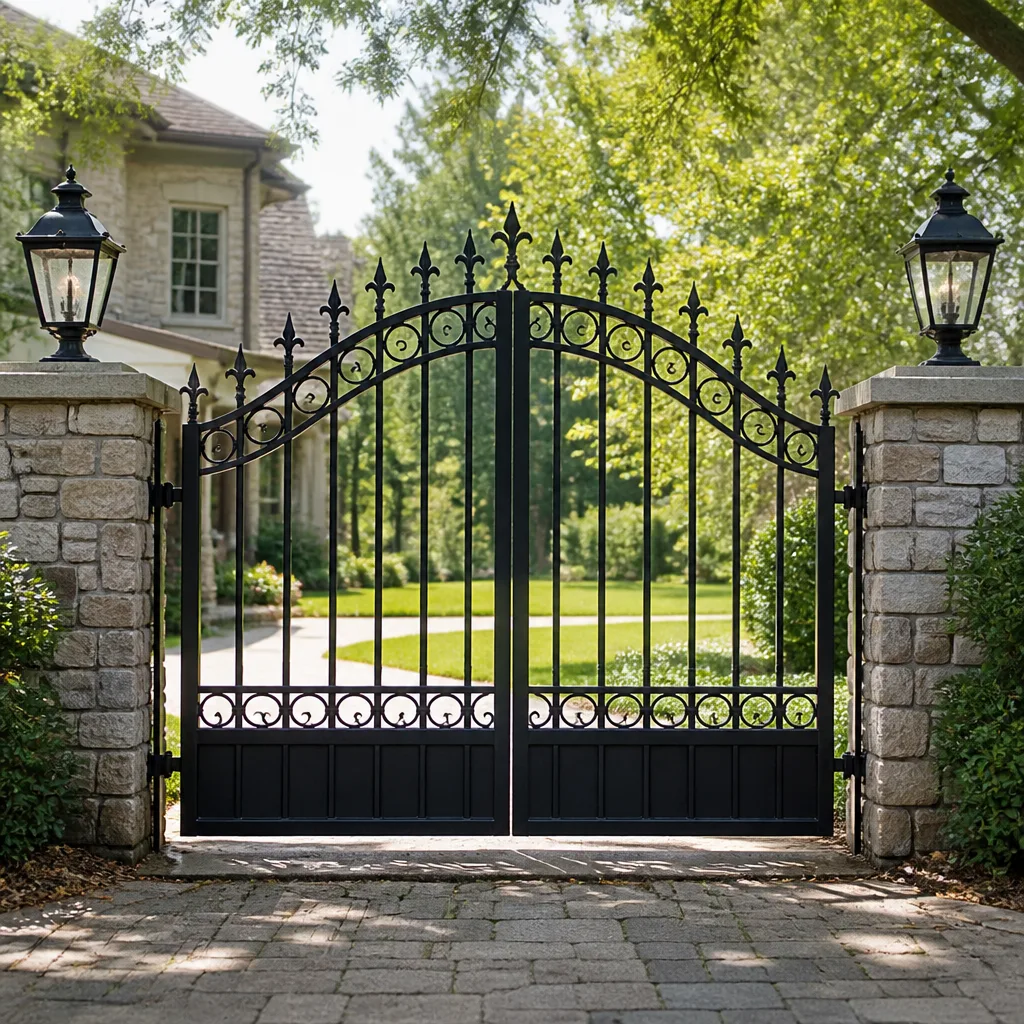 Wrought iron
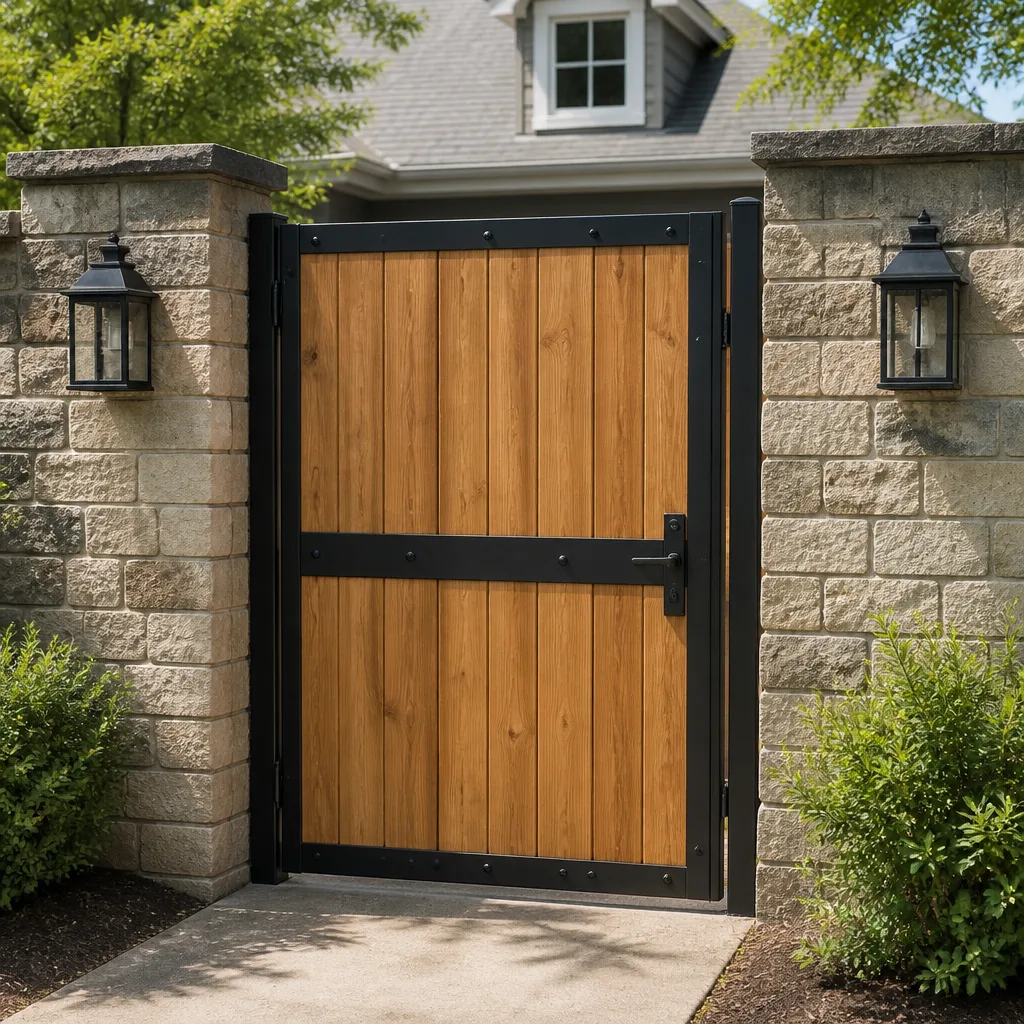 Wood & steel frame
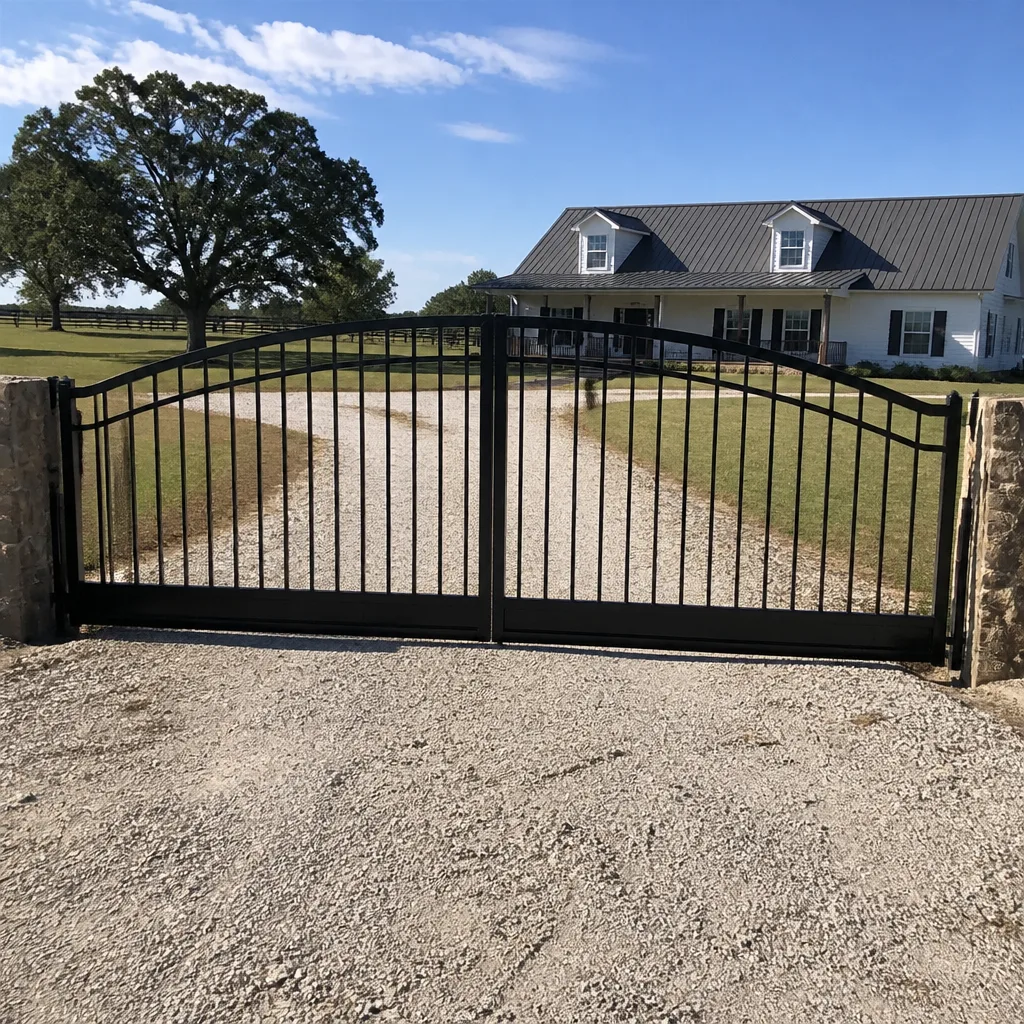 Farm & ranch
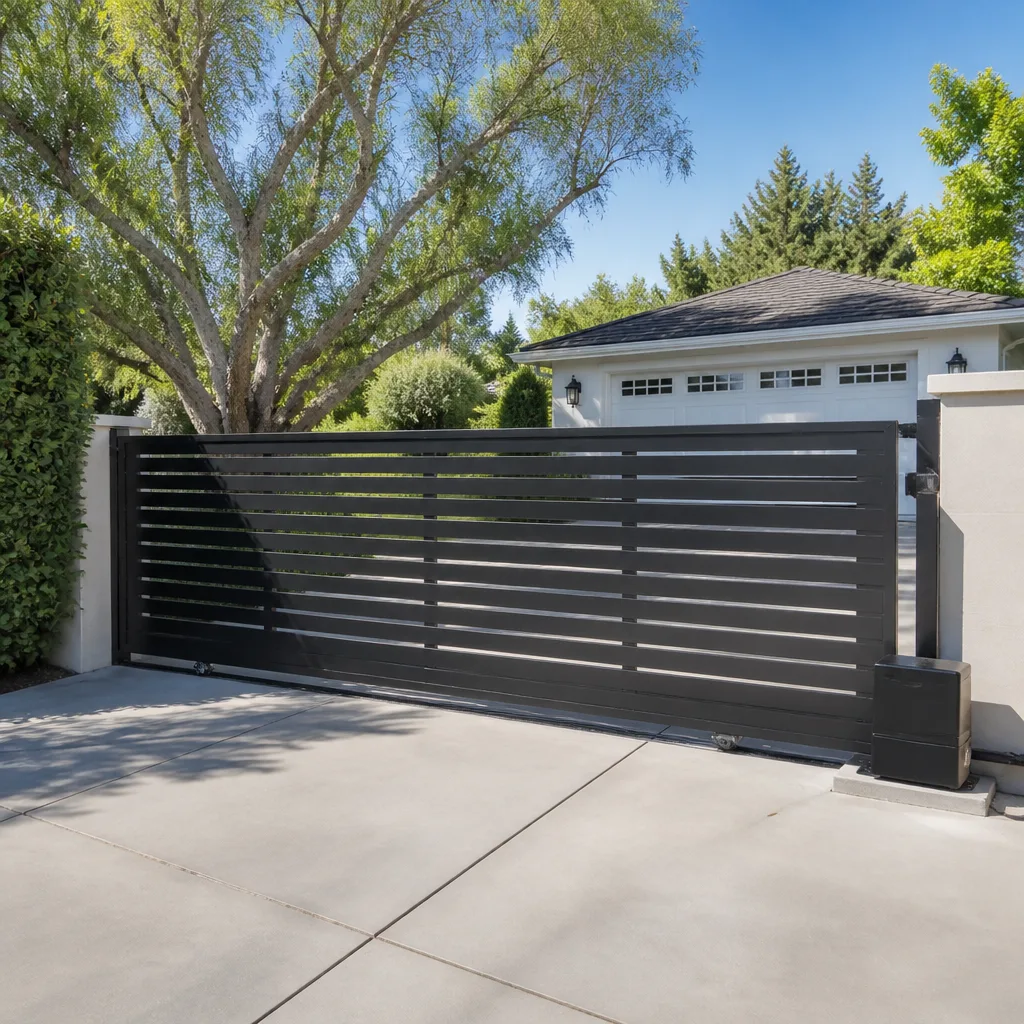 Sliding driveway gates
 LiftMaster operators
Free on-site gate assessment - hinges, posts, and your LiftMaster or Nice gate operator checked before anything is quoted
The assessment is free and the quote is the invoice.
Get your free estimateGate Repair Warning Signs: A Norfolk Homeowner’s Reference Guide
A gate that hesitates for two seconds before it opens isn’t warming up. In most automated systems, that pause is a voltage draw symptom, and the motor, battery, or control board behind it often has a handful of weeks before it stops moving the gate at all. The tricky part is that gates don’t announce failure. They whisper it, through sounds, timing, and small visual clues that are easy to dismiss as quirks. This guide catalogs those signals by type, sorts the ones that need a call today from the ones you can schedule, and gives you a baseline method so you’re booking a repair on your schedule instead of the gate’s. We’ll frame it for Norfolk homes, HOAs, and commercial properties alike.
Quick Answer
The most reliable gate repair warning signs are a change in sound (grinding, clicking, or loud humming), a slowdown of 20% or more in open and close cycle time, inconsistent gaps when the gate is fully closed, and an entrapment sensor that fails to reverse the gate on contact. Any sensor or stopping failure is an immediate safety concern and should keep the gate out of service until a professional looks at it; sound, timing, and cosmetic changes are usually schedule-when-convenient issues.
Styles & brands we work with
- Wrought iron
- Wood & steel frame
- Farm & ranch
- Sliding driveway gates
- LiftMaster operators
Table of Contents
- Audio Warning Signs by Type: Grinding, Clicking, and Humming
- Visual Warning Signs Most People Miss
- How to Measure Cycle Time and What a Slowdown Means
- Remote and Keypad Signals That Point to Receiver or Board Trouble
- Which Warning Signs Are Immediate Safety Concerns
- Matching the Symptom to the System: Operator Brands and Diagnosis
- How to Build a Simple Inspection Routine
- When It’s Time to Call a Gate Specialist
Audio Warning Signs by Type: Grinding, Clicking, and Humming
Sound is the earliest and most honest signal your gate gives you, but the type of noise matters as much as its presence. A grind, a click, and a hum come from three different places in the system, and knowing which is which tells you whether you’re looking at wear, an electrical fault, or a control logic problem. In our experience across Norfolk properties, homeowners tend to lump all three together as “the gate sounds bad” and wait until it stops entirely.
Grinding usually points to mechanical wear. On a swing gate, it often traces to hinge bearings, a worn motor gearbox, or a bent arm on the operator. On a slide gate, it more often comes from the track, the guide rollers, or the drive gear at the motor. Grinding rarely fixes itself and gets louder as the worn part takes more load.
Clicking points to the control side. A sharp click at the start of a cycle can be a relay or contactor engaging, but clicking that repeats or clicks without the gate moving suggests a control board relay is failing or a limit switch is being hit early. Clicking that comes from the motor housing itself can mean the start capacitor is struggling.
Humming with no movement is the electrical signal. The motor is receiving power but not turning, which usually means a seized mechanism, a dead capacitor, or a board fault. Leave the power off and let a technician diagnose it. Running a stalled motor burns it out and turns a smaller repair into a bigger one.
- Grinding while moving: mechanical wear, hinge or track and roller related.
- Clicking without movement: control board, relay, or limit switch.
- Humming without movement: motor, capacitor, or board fault. Cut power at the breaker.
- Grinding that appears only at the ends of travel: worn stops, gears, or a loosened operator bracket.
Visual Warning Signs Most People Miss
Walk the gate line once a month and look at it the way a technician does. Most of what we find on a first visit is visible from outside, especially after a few wet winters around here. Norfolk’s humid summers and frequent rain push moisture into places a quick glance won’t reach.
Paint bubbling at weld seams is the quiet one. Bubble paint at a weld means rust has started underneath, from the inside out. Left alone, that seam weakens and the gate’s frame can flex or fail. Sand it back, treat the rust, and re-coat; if the metal is already thin, the panel is a structural concern.
An inconsistent gap when the gate is fully closed is the structural one. If one side closes tight and the other shows daylight, or the gate has started to sag at the latch, the posts have leaned. That’s common after heavy rain cycles when soil softens, especially if your posts sit in ground that gets saturated. Post lean isn’t a cosmetic issue; it changes how the gate closes and how the operator has to work.
Control board indicator lights are the diagnostic one. Most automated gate boards have small LEDs that flash or hold steady in patterns keyed to the brand. A technician reads those codes for BFT, Linear, and Viking systems as the first step of diagnosis, because the board is already telling you what failed. If you own the manual, the code legend is worth keeping in the same drawer as your remotes.
Hinge and track wear is the easy one to spot. Rust-colored streaks on the hinge pins, gouges in the track, and rollers that no longer spin freely all mean friction is climbing and the motor is working harder than it should.
How to Measure Cycle Time and What a Slowdown Means
Cycle time is the single most useful baseline any gate owner can build, and almost nobody does. It takes about five minutes to set up and gives you a measurable early warning that no glance can.
- Log a baseline. On a day when your gate is working normally, time it from the moment you trigger it to the moment it’s fully open, then again from fully closed. Write both times down somewhere you’ll find them again, like the note app on your phone.
- Re-check monthly. Time the same cycle once a month. Small changes of a tenth of a second here and there are normal.
- Watch for the 20% line. A 20% slowdown is the signal that something has changed. If a cycle that took eight seconds is now ten, something is adding load or losing power.
- Note whether both directions slowed, or only one. One direction slowing suggests a limit, roller, or hinge issue on that side. Both directions slowing points to the motor, battery, or power supply.
Why 20%? Because motors run with margin. When a motor is forced to work harder, it draws more current, and most operators draw that extra load quietly until the board decides the draw is a fault and shuts it down. A 20% cycle-time change tells you the margin is shrinking before the gate gives up.
In our experience, a cycle-time slowdown with no visible mechanical cause is often the earliest sign of a failing motor start capacitor, a weakening battery in a solar or battery-backup operator, or a board losing voltage. Catching it at the 20% mark often means a smaller repair.
Remote and Keypad Signals That Point to Receiver or Board Trouble
Remote and keypad issues are often treated as a battery problem, and sometimes they are. But a pattern of intermittent or narrowing range tells you something different: the receiver or the board is on its way out.
A die-off pattern is the strongest clue. If your remotes used to work from the end of the driveway and now only work from ten feet away, the problem is range, not the remote. Range falls when a receiver antenna is damaged, a board’s radio section is degrading, or the receiver is being interfered with. Try one fresh battery in a single remote first to rule that out. If a new battery doesn’t restore range, the receiver or board needs a look.
Keypad codes dropping out intermittently, or a keypad that works some days and not others, can point to moisture in the keypad housing or a failing keypad, or to a board that’s dropping the entry signals. On Ghost Controls and Linear systems, keypad or receiver issues often trace to a board relay or wiring fault rather than the accessories. This is one of the reasons brand matters: a technician who knows the control board layout of the operator you have can often diagnose it from the board LEDs.
A remote that stops working entirely after a power cut can mean the receiver lost its programmed remotes when power returned. That’s a board memory or backup battery issue, not a remote issue. Re-pairing is a temporary fix; if it repeats, the board is failing.
- Range shrinking over weeks: receiver or antenna issue.
- Keypad works intermittently: keypad moisture, keypad failure, or board relay.
- Remotes lost after a power cut: board memory or backup battery issue.
- Only one of several remotes fails: remote or its battery, not the board.
Which Warning Signs Are Immediate Safety Concerns
A gate that runs but doesn’t stop on contact is an entrapment hazard, and no other warning sign sits in that category. The reverse-on-contact safety feature exists to stop the gate when something is in its path, and a malfunctioning entrapment sensor could fail to catch a child, a pet, or a car. Keep any gate with a failed entrapment sensor out of service until it’s repaired, and always confirm the safety edges and photo-eyes are working after any fix.
Other immediate concerns:
- The gate doesn’t reverse when it meets your hand or foot during travel. Test it by hand with the power on and the gate in motion; a properly working system reverses when it senses resistance.
- The gate moves on its own, or doesn’t stop when triggered. Cut the power at the breaker and leave it off.
- A slide gate has come partway off its track or the rollers have left the rail. This is a crush and fall hazard; don’t try to pull it back by hand.
- Electrical burning smells, visible scorch marks at the operator, or a tripped breaker that trips again when reset. Cut power and call a professional.
Lower-priority but still worth booking soon: cosmetic rust on weld seams, a slow cycle time, and grinding that’s started in the last few weeks. Those are schedule-when-convenient; a safety edge or reversing failure is call-today.
Matching the Symptom to the System: Operator Brands and Diagnosis
Warning signs translate differently by brand and system type. Swing operators load the same way as slide operators, but the diagnosis path is different, and the control boards differ by brand. Our technicians have up to 9 years of experience and work with the actual boards, motors, and logic of the brands we cover: LiftMaster, FAAC, BFT, Linear, Viking, Ghost Controls, DoorKing, Elite, and Mighty Mule.
A grinding swing gate is almost always a hinge, arm, or gearbox issue. A grinding slide gate is almost always track, roller, or drive gear. A clicking operator with no movement points to the board relay or limit switch in most brands. A humming operator with no movement is the electrical fault, and the capacitor or the motor is usually the culprit.
Brand-specific patterns we see in Norfolk:
- BFT and FAAC operators have boards with clear LED fault codes. The code tells the technician what failed before anything is touched.
- Linear and Viking residential systems often show slowdown and intermittent stop issues as board or limit problems first.
- Ghost Controls residential operators have their own accessory and keypad logic, and intermittent accessory failures usually trace to the board or wiring, not the accessory.
- DoorKing access control systems at commercial Norfolk properties frequently show entry-keypad and receiver failure signals on their boards, and the diagnosis starts there.
If you’re not sure which warning sign you’re dealing with, a technician who works across brands can tell you from the board and the sound the system makes before anything is disassembled. If you need electric gate repair, that brand-specific diagnosis is the first step. If you’re ultimately considering a replacement, we handle gate installation as well.
How to Build a Simple Inspection Routine
An inspection routine turns random noise into a record you can act on. It doesn’t need to be complicated, and most of it takes less than fifteen minutes.
- Monthly: test the safety edges. With the gate in motion, walk through the safety edge. The gate should stop and reverse. If it doesn’t, take it out of service and call for a repair.
- Monthly: time the cycle. Log the open and close cycle time. Compare against your baseline. Flag any change of 20% or more.
- Monthly: do a sound check. Listen for grinding, clicking, and humming. Note which direction the sound occurs in, and whether it’s new.
- Monthly: visual walk. Look at weld seams for bubbling paint, gaps for post lean, hinges for rust, the track for gouges, and the operator for scorch marks or tripped breakers.
- Seasonally: test the keypad and remotes. Test range from the usual entry point. Note any shrink in operating range.
- Twice a year: clear the track and sweep the hinges. Debris and leaf litter in the track add friction to the motor. Removing it is one of the easiest ways to reduce load.
Write the results down. A page of notes beats memory every time, and it gives a technician a real timeline of when a symptom appeared, which speeds diagnosis.
When It’s Time to Call a Gate Specialist
Call a gate specialist when a safety edge fails, when the gate moves on its own or won’t stop, when you hear humming with no movement, when the cycle time has slowed by 20% and stayed there, or when grinding has appeared and isn’t going away. Call earlier if you’re not sure: an accurate diagnosis is worth more than a guess. Gate repairs in Norfolk involve electrical, mechanical, and control-board systems at the same time, which is why general handymen and fence contractors often misdiagnose a problem as mechanical when the board is actually the fault.
Gate Repair Norfolk offers free estimates in Norfolk. Call (844) 410-6351. We answer 24/7. Fast dispatch from 7am to 7pm, Sunday through Friday. We’ll diagnose what the symptom is actually telling you and quote the repair before any work starts.
Common Mistakes to Avoid
- Waiting for a full stop before calling. A gate that whispers for weeks, then halts, often turns a smaller repair into a motor replacement. Catch the 20% slowdown and you likely stop at the smaller repair.
- Assuming every noise is “wear and tear.” Humming and clicking are electrical and control issues, not just mechanical wear. Misreading them sends the diagnosis in the wrong direction.
- Ignoring a failed reverse-on-contact test because the gate still opens. A gate that runs but can’t detect an obstruction is an entrapment hazard. The gate should be off until that’s confirmed working.
- Running the motor when the gate is stuck. A humming motor that isn’t moving is a burning motor. Cut the breaker and call.
- Buying a new remote when the range has dropped. If all your remotes lost range at once, the receiver or board is the problem, not the remotes.
- Treating post lean as cosmetic. On the Peninsula’s wet clay-heavy soils, posts do lean after a heavy rain cycle. A leaning post changes the gate’s closing geometry and stresses the operator. Fixing the post is part of the repair.
- Letting paint bubbling hide rust. Rust at weld seams spreads from inside the tube. Once the paint bubbles, the rust has been at work for a while. Sand and treat early or the panel has to be replaced.
See the difference
 Before
 After
 Before
 After
 Before
 After
When to Call a Professional
Call a professional when the gate fails the reverse-on-contact test, when it moves on its own, when it hums without moving, when cycle time is up 20% and you can’t spot the cause, or when the board LEDs are flashing a fault you can’t read. Also call when the gate is stuck partway open and won’t move with the power on. The risks on an automated gate sit in three places: the operator’s wiring and power, the weight of a swing or slide panel, and a slide gate that may be off its track. A trained professional handles all three. Gate Repair Norfolk offers free estimates in Norfolk. Call (844) 410-6351. We answer 24/7. Fast dispatch from 7am to 7pm, Sunday through Friday. We’ll tell you what the symptom means and what the repair will cost before any work starts.
Frequently Asked Questions
The first sign most people notice is a sound change, usually a grind or a click that appears at the start of a cycle. The most reliable early warning sign, though, is a cycle-time slowdown of 20% or more that nobody’s timed yet. Sound and timing are both cheap to check, and a monthly cycle-time log catches failures weeks earlier than sound alone. Call (844) 410-6351 for a free estimate if a sound or cycle-time change has stuck around.
It’s not a “call at 3am” emergency, but it is a “cut the breaker and call today” situation. A humming motor that isn’t turning a mechanism is drawing current without moving, and continued operation will burn out the motor or the capacitor. Turn the power off at the breaker, leave it off, and call (844) 410-6351. We answer 24/7. A call outside dispatch hours is booked into the next opening, Sunday through Friday, 7am to 7pm.
Most residential operators need their first significant repair somewhere between a few years and a decade of regular use, depending on duty cycle and weather exposure. Norfolk’s wet winters and humid summers accelerate hinge wear and rust at weld seams. Commercial systems that cycle hundreds of times a day wear faster. Whatever the age, the warning-sign method in this guide gives you a head start on the first repair.
Yes. We repair automated and manual gates, from mechanical swing and slide systems to automated operators across all the brands we cover. If the diagnosis points to electric gate repair, our technicians work with the actual control boards and motors of those systems. If the gate needs to be replaced, we handle gate installation too. Call (844) 410-6351 for a free estimate.
Only on an operator that has a documented manual-release feature, and only once it’s properly disengaged. Forcing a gate against a powered operator can damage the gearbox or the arm. If the gate is stuck partway, is leaning, or has partially come off its track, leave it alone and call a professional. Call (844) 410-6351 and we will advise you on safety and booking.
A shrinking remote range usually points to the receiver or the control board, not the remote itself. Try one fresh battery to rule out the remote. If new batteries don’t restore range, the receiver, antenna, or board radio section needs a diagnosis, and that’s a job for a technician. Call (844) 410-6351 for a free estimate. We’ll read the board and tell you which of those three it is.
The Bottom Line
Gates don’t fail suddenly. They fail predictably, and the warning signs are in the sound, the timing, the look of the frame, and the behavior of the remotes. A grinding swing gate is wearing its hinges; a humming one has an electrical fault; a 20% cycle-time slowdown is early motor or board trouble; a failed reverse-on-contact test is an immediate hazard. Learn the four categories, log your baseline cycle time, and walk the gate monthly. That turns a breakdown into a scheduled repair. Gate Repair Norfolk specializes in gates across automated and manual systems and the brands from Mighty Mule to FAAC, so whatever your symptom, we work on the brand you already have.
Call (844) 410-6351 for a free estimate. We answer 24/7. Fast dispatch from 7am to 7pm, Sunday through Friday. We’ll diagnose the warning sign and quote the price before any work starts.
Written by the team at Gate Repair Norfolk.