
Last updated November 16, 2026
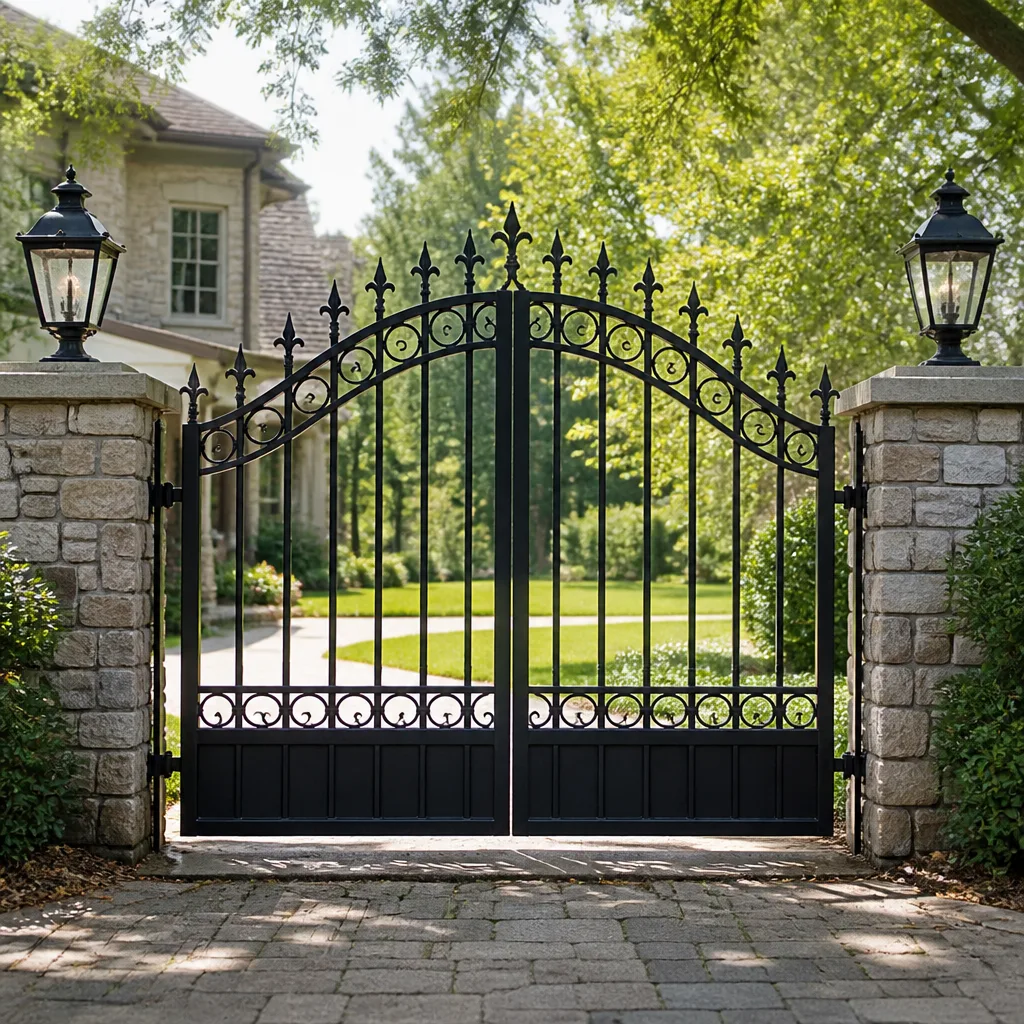 Wrought iron
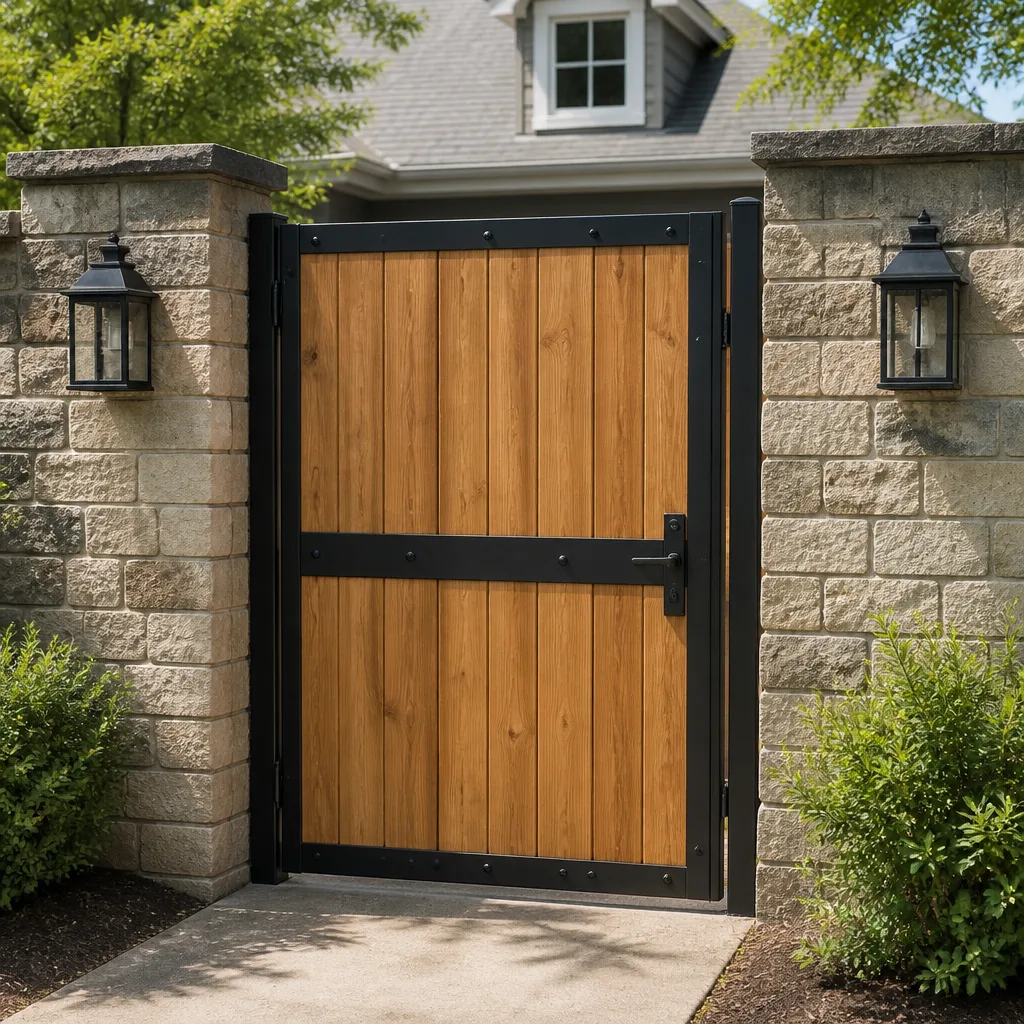 Wood & steel frame
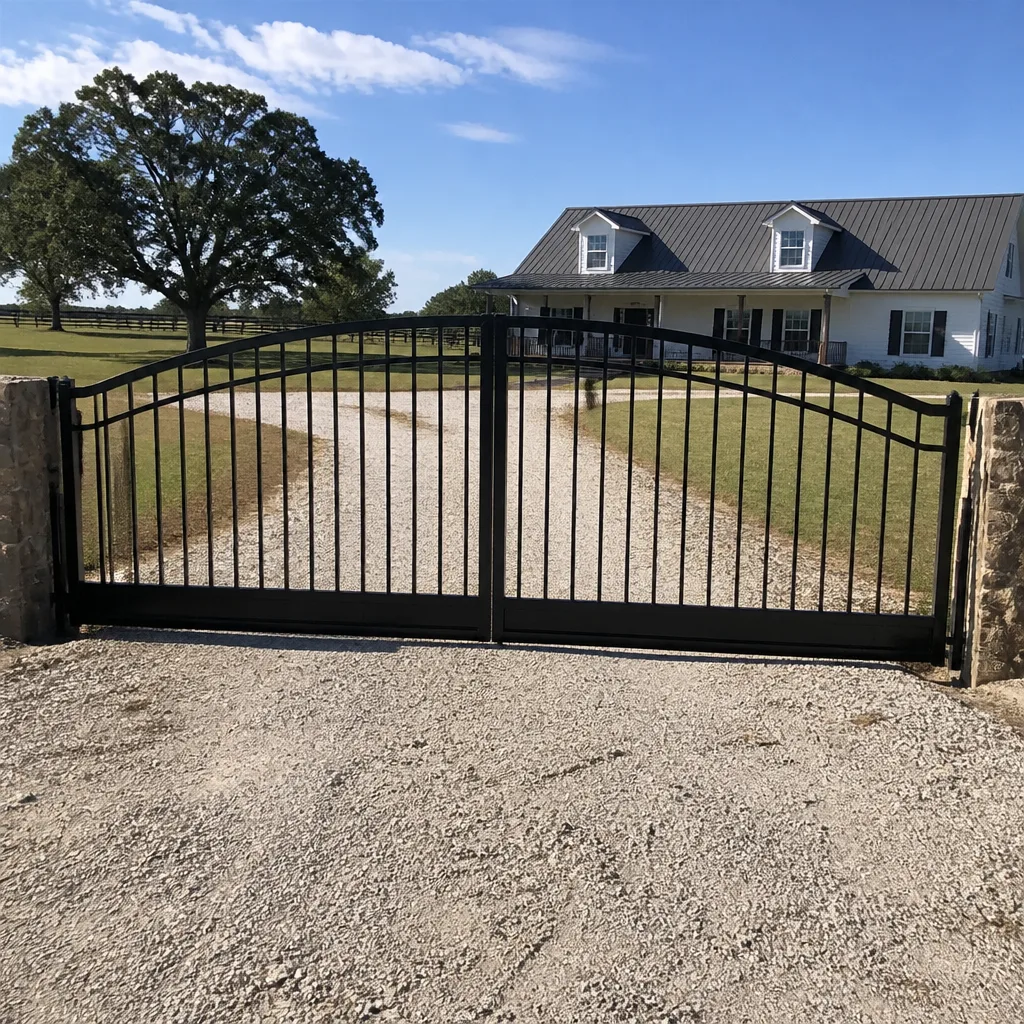 Farm & ranch
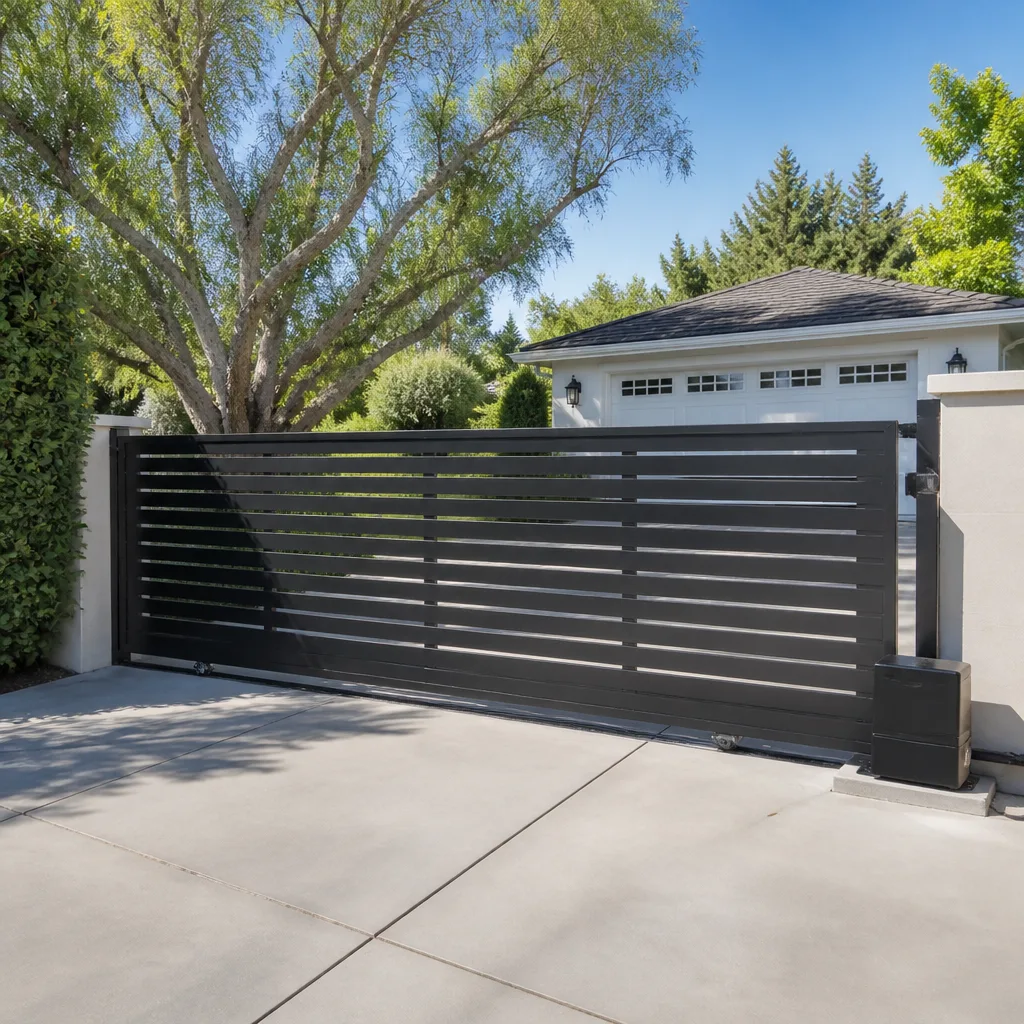 Sliding driveway gates
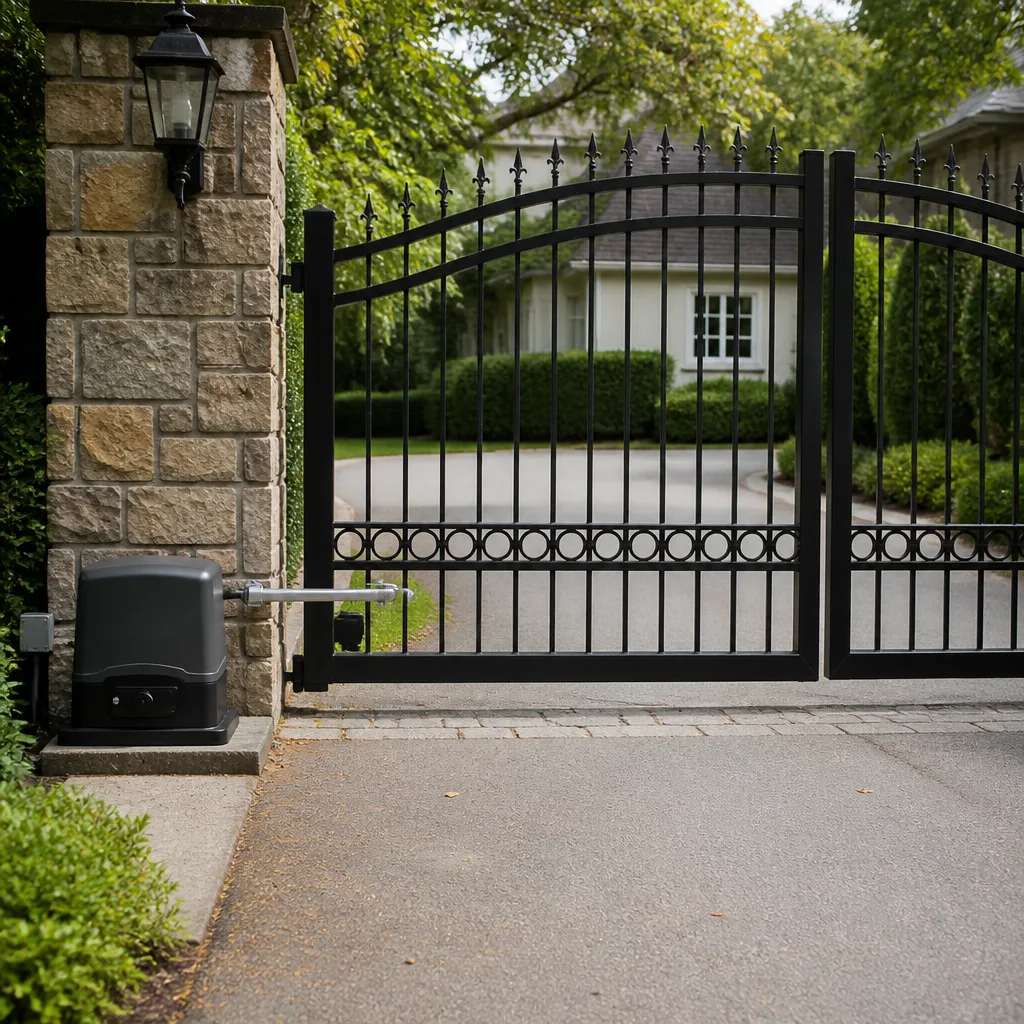 LiftMaster operators
Free on-site gate assessment - hinges, posts, and your LiftMaster or Nice gate operator checked before anything is quoted
The assessment is free and the quote is the invoice.
Get your free estimateSeasonal Gate Repair Care for Norfolk: Year-Round Homeowner’s Guide
Most gate owners wait for a failure. The gate opens slowly one morning, the arm clicks without moving, the keypad lights but nothing happens, and suddenly a security system you stopped thinking about six months ago is the only thing you can think about. In our experience working across Norfolk, the interesting part is that these failures rarely trace back to the coldest week or the hottest afternoon. They trace back to what the previous season left behind. Norfolk’s weather is mild enough that gates get ignored, and humid enough that they quietly corrode, drift, and jam while nobody’s watching. This guide breaks the year into four quarters and tells you what to check, in what order, so a gate that runs today still runs next spring.
Quick Answer
Seasonal gate care in Norfolk means matching your checks to what each season actually does to the gate: spring inspection for post movement and drifted limit switches, summer protection for control boards and finishes, fall storm prep for automated and swing gates, and winter attention to track drainage and freeze-thaw soil movement. Four short inspections a year, in the right order, catch most problems before they become a mid-cycle failure.
Styles & brands we work with
- Wrought iron
- Wood & steel frame
- Farm & ranch
- Sliding driveway gates
- LiftMaster operators
Table of Contents
- Spring: The Post-Winter Inspection That Sets Up Your Year
- Summer: Heat, Humidity, and Protecting the Electronics
- Fall: Storm Prep for Automated Gates in Hampton Roads
- Winter: What Actually Damages a Norfolk Gate
- Building a Year-Round Maintenance Calendar
- Brand Matters: Why Diagnostics Follow the Operator
- Common Mistakes to Avoid
- When to Call a Professional
Spring: The Post-Winter Inspection That Sets Up Your Year
Spring in Norfolk is the reset point. The ground has been wet and cold for months, the gate has been cycled in wind and rain, and any small mechanical drift from the winter is now baked in. This is the inspection that pays for itself later. Skip it and you’ll usually find out in the middle of an August afternoon when the gate stops halfway.
Work through these in order. It’s a short list, and most of it you can do yourself with eyes and hands.
- Walk the full swing or travel path. Look for ruts, new dips, gravel pushed up against the gate, and soil that has settled unevenly under a post. Wet winters move ground, and a post that has lost even a fraction of an inch throws the whole geometry off.
- Check post plumb and footing exposure. Push gently against each post at chest height. Any wobble, any visible gap between soil and post, any cracking in a concrete collar is worth noting. Posts belong at proper footing depth, and spring is when you find out whether yours are still sitting at that depth.
- Test the manual release. Disengage the operator, move the gate by hand through its full arc, and re-engage. It should move without grabbing or binding. If it doesn’t, that’s a mechanical issue the operator has been masking.
- Re-check limit switches. After a season of settling, limits that were set correctly in the fall can be slightly off. The gate may start reversing too early, stop short of fully open, or slam into the end stop. Limit drift shows up here first.
- Test the battery backup. Winter power fluctuations drain backup batteries, and a battery that held in October may not hold in April. Many LiftMaster and Linear operators run a battery test cycle; note anything that fails to hold position after a simulated outage.
- Clear the track or drive channel. Rake out leaf litter, sand, and anything that has washed into a slide track over winter. Debris under the guide rollers is a leading cause of binding that owners mistake for a failing motor.
If your gate didn’t survive the winter as gracefully as you’d like, gate repair starts with this same diagnostic sequence so you’re not paying for a motor replacement when the real problem is a shifted post.
Summer: Heat, Humidity, and Protecting the Electronics
Summer is when Norfolk gate operators do their hardest living. High humidity sits inside control enclosures, condensation forms on terminals, and the afternoon heat pushes motors and boards well above what the manufacturer tested for. Add sun exposure and a powder-coated finish takes UV damage on top of everything else. Summer care is mostly about keeping the electronics cool, dry, and clean, and giving the finish what it needs to keep doing its job.
- Shade control board enclosures where you can. A small sun shield, a shaded mounting position, or even a well-placed shrub makes a real difference to board temperature. Never seal an enclosure airtight though; ventilation matters more than blocking light.
- Check enclosure gaskets and drain holes. Humidity finds its way into gaps. Gaskets that have dried and cracked over spring let warm moist air in and trap it, which is how corrosion starts on a board you can’t see.
- Lubricate with heat-stable compounds. Chain, rollers, hinges, and pivot points need a lubricant that doesn’t thin out and run in 90-degree heat. Grease that migrates leaves the metal dry where it matters. Ask before assuming any lubricant is fine; some attract grit and make things worse.
- Re-tension nothing unless you’re trained to. A gate has no torsion springs, but it does have heavy panels, rollers under load, and operator arms that carry force. If the gate feels slack or the arm is struggling, that’s a technician call, not a DIY adjustment.
- Protect the finish. Powder coat on a Norfolk gate sees steady UV and humidity. A rinse and a light coat of automotive-grade protectant on painted and metal surfaces once a season slows fading and surface oxidation. Skip the aggressive cleaners; they dull the finish faster than the sun does.
- Test the safety edges and photo eyes. Summer is when you’ll actually want the gate to reverse reliably if someone’s in the way. Walk through the beam deliberately and confirm the gate stops or reverses.
If a board has already been damaged by heat or humidity, electric gate repair is the fastest path back to a working gate, especially before a storm-season failure piles on top of a summer one.
Fall: Storm Prep for Automated Gates in Hampton Roads
Fall is Norfolk’s storm season, and it’s the season where automation failure becomes a genuine safety question. A gate that won’t open during an emergency is a real problem. A swing gate that isn’t properly latched in high wind becomes a projectile. The good news is that automated gates have features built for exactly this, and most owners have never touched them.
Here’s the pre-storm routine.
- Reprogram storm mode. Most modern operators, including FAAC and BFT units, have a storm or wind setting that changes gate behavior in high wind: reduced speed, delayed opening, or refusal to hold open. Confirm yours is set as you want it. If you don’t know how, that’s a call.
- Test manual release under real load. Disengage, move the gate by hand, re-engage. This is the release you’ll depend on if power goes out mid-storm, so it needs to work before you need it.
- Secure swing gates that could catch wind. A swing gate with a failed latch or a weak hinge is a hazard, not a convenience. Check that both leaves latch fully and that hinges have no play.
- Clear the travel path of anything loose. Branches, yard waste, and debris in the track or under a swing arc jam gates in exactly the moment you need them clear.
- Check the photo eye alignment. A storm-shifted post can throw a safety beam slightly out of alignment. The gate will then refuse to close, and you’ll discover it as the storm approaches.
- Charge and confirm the backup battery. Storm outages are exactly what that battery is for, and a battery that hasn’t been tested since spring is a battery you can’t count on.
If storm prep reveals a gate that’s already struggling, this is the right moment to deal with it rather than waiting for the failure. Call (844) 410-6351. We answer 24/7. Fast dispatch from 7am to 7pm, Sunday through Friday.
Winter: What Actually Damages a Norfolk Gate
Norfolk winters are mild, and that lulls owners into skipping winter checks entirely. But the damage a Norfolk gate takes in winter isn’t from sustained cold; it’s from freeze-thaw cycling in the soil and drainage that backs up and then freezes. When soil freezes and thaws repeatedly, it moves. Posts that sit through freeze-thaw cycles shift, and slide gate tracks that collect water end up with ice under the rollers. A gate that cycles fine in July can bind and stall in January without anything having “broken.”
- Check drainage around posts and track. If water is pooling at the base of a slide track or around a post collar, fix the drainage now. Standing water that freezes overnight is the single biggest cause of winter binding and post movement in Norfolk.
- Clear the track before freezing nights. Debris in a slide track that gets wet and then freezes turns into a hard, uneven surface that the rollers can’t roll over cleanly.
- Watch for ground heave at post bases. A collar that has pushed up or cracked is telling you the soil underneath is moving. Note it in winter, plan the fix for spring.
- Keep the operator electronics dry. Winter humidity plus cold surfaces equals condensation inside enclosures. A gasket that seals in summer may not seal in winter, and moisture sitting on a board all winter is what fails in March.
- Reduce unnecessary cycling in the coldest stretches. Not because the gate can’t handle cold, but because fixating on cycles during freeze-thaw season just accelerates wear on parts that are already working against shifted ground.
- Keep the battery backup on. It’s the one piece of winter kit that actually earns its place. Cold drains batteries, and a winter outage is exactly when you’ll want the gate to open.
Building a Year-Round Maintenance Calendar
The reason most gate care gets skipped isn’t laziness; it’s that everything happens at once. Spring cleaning, fall storms, summer vacations, winter holidays. The fix is to stagger the work so each season carries one small, specific task list rather than a full inspection every time one comes to mind.
Here’s the annual calendar we recommend for Norfolk gates. It works for manual gates, swing automation, and slide gate operators, and the tasks are ordered so nothing depends on something you skipped.
- March: Full walk of the travel path, post check, manual release test, limit switch confirmation, battery backup test. This is your heaviest check of the year.
- April: Finish anything from March, clear the slide track, note any post movement for a professional look.
- June: Electronics enclosure check (gaskets, ventilation, shade), heat-stable lubrication pass on chain, rollers, and hinges.
- July: Safety edge and photo eye test, finish protectant on powder coat surfaces.
- August: Final pre-storm check on limits and battery; note any heat-related slowdowns for a technician.
- September: Storm mode programming, manual release test, swing gate latch and hinge check, beam alignment check.
- October: Clear the track and travel path, confirm drainage before the wet season, retest battery.
- November: Note any ground heave or post movement; plan for spring repair.
- December: Electronics dry-out check, light lubrication pass on anything that felt stiff in the cold, note winter behavior for spring.
- January and February: Watch only. Note issues, don’t create new ones by over-adjusting in freezing conditions.
That’s roughly one hour of attention a month and a heavier hour in March and September. Stagger it this way and you’ll never face the “I haven’t looked at the gate since last spring” problem again.
Brand Matters: Why Diagnostics Follow the Operator
One of the least understood points in gate repair is that the same symptom can come from completely different causes depending on which operator drives your gate. A FAAC that stalls mid-cycle and a Viking that stalls mid-cycle may look identical from the driveway, but the diagnostics are different. Control boards, logic, error reporting, and motor behavior all vary by brand, and applying a generic fix often makes things worse rather than better.
This is why the brand on your plate matters. We work with nine gate brands: LiftMaster, FAAC, BFT, Linear, Viking, Ghost Controls, DoorKing, Elite, and Mighty Mule. That range covers everything from a residential Mighty Mule swing gate to a commercial DoorKing slide operator, and the diagnostics we run depend on knowing which one we’re standing in front of.
For seasonal care, this translates into a simple point: when you test or adjust your gate, know your brand and note your operator’s error codes if it has a display. Error codes are the fastest path to an accurate diagnosis, and they’re specific to each manufacturer. A Linear that flashes a particular sequence means something different from a BFT doing the same thing.
If you’ve already got a problem that’s escalated past inspection, our Gate Repair Norfolk team works on the brand you already have rather than steering you toward a replacement you don’t need.
Common Mistakes to Avoid
- Treating a slow gate as a motor problem. A gate that’s moving sluggishly is usually binding on a shifted post, a fouled track, or a mis-set limit. Replacing a working motor to fix a mechanical problem is the most expensive mistake we see. Diagnose first, replace only if the motor is genuinely the cause.
- Skipping the March inspection. Norfolk winters are mild enough to make spring checks feel optional, but winter is exactly when post movement and limit drift happen. Skipping March pushes every problem to a summer failure.
- Not testing the manual release. The release you never touch is the one that fails when you need it, often during a storm outage. Disengage it and move the gate by hand once a season, minimum.
- Using the wrong lubricant. General-purpose oil and grease thin out in Norfolk summer heat and attract grit. Heat-stable, gate-appropriate compounds are what belong on chain, rollers, and hinges. Wrong lubricant causes more wear than none.
- Forgetting the battery backup. Backup batteries drain quietly. A gate that opens with normal power may fail during the exact outage it was designed for. Test it every spring and fall.
- Sealing an electronics enclosure airtight. Trapping humid air inside a sealed enclosure in summer is worse than leaving it ventilated. Boards need to breathe, and condensation is the enemy.
- Waiting for the gate to fail before calling. A gate that’s running but sluggish, clicking, or reversing unexpectedly is telling you something. Early diagnostics are cheaper and faster than emergency repair, and we’d rather you call us while things still work.
When to Call a Professional
Some seasonal tasks belong to you. Some genuinely don’t. If the gate won’t fully open or close, if the manual release feels binding, if a post has visibly shifted or a collar has cracked, if the gate reverses on its own, or if the operator’s error codes are repeating no matter what you try, that’s a professional call. Electrical wiring at the operator, high-load components under a heavy panel, and diagnostic work on control boards are all places where getting it wrong makes the situation harder and more expensive to fix.
Gate Repair Norfolk offers free estimates in Norfolk, and we work on both automated and manual systems across brands like FAAC, BFT, Linear, and Viking, along with the full range we service. Call (844) 410-6351. We answer 24/7. Fast dispatch from 7am to 7pm, Sunday through Friday. Our technicians have up to 9 years of experience diagnosing the specific brand and system you have.
See the difference
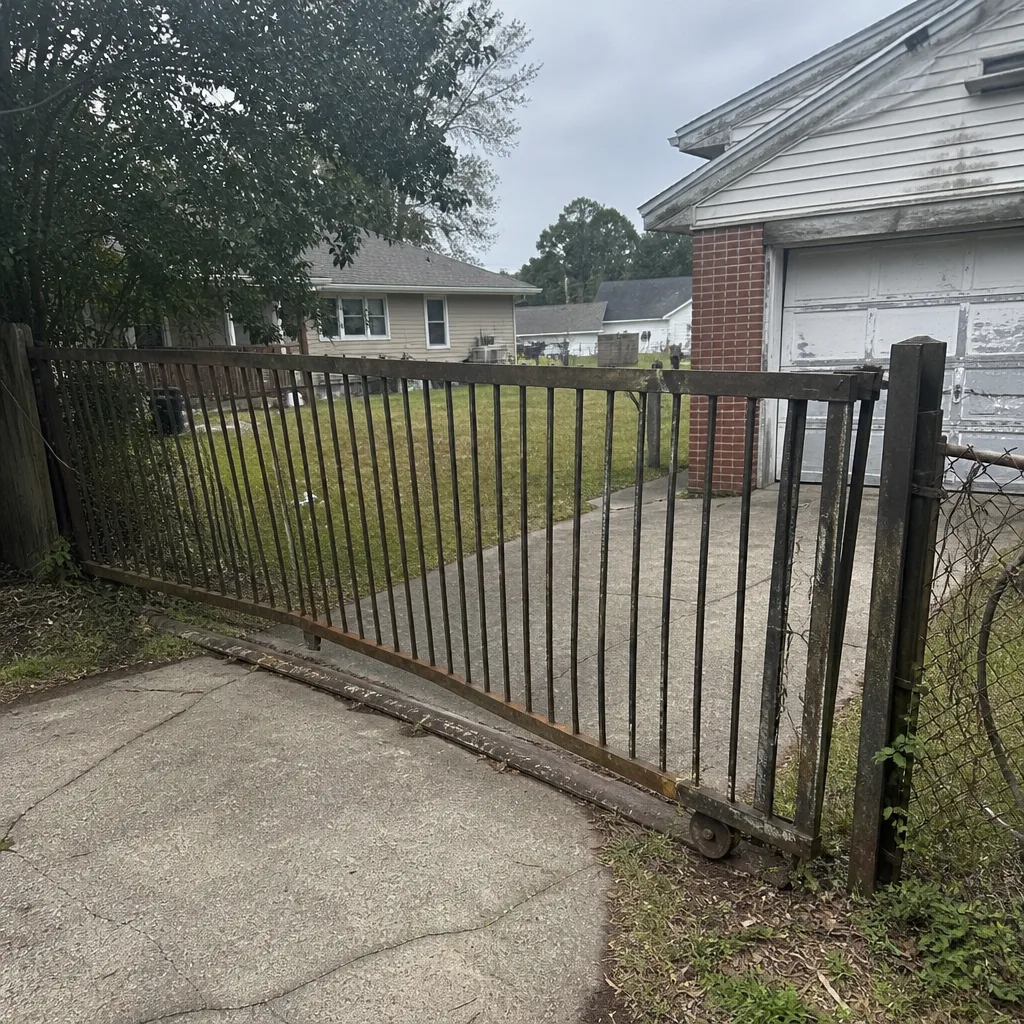 Before
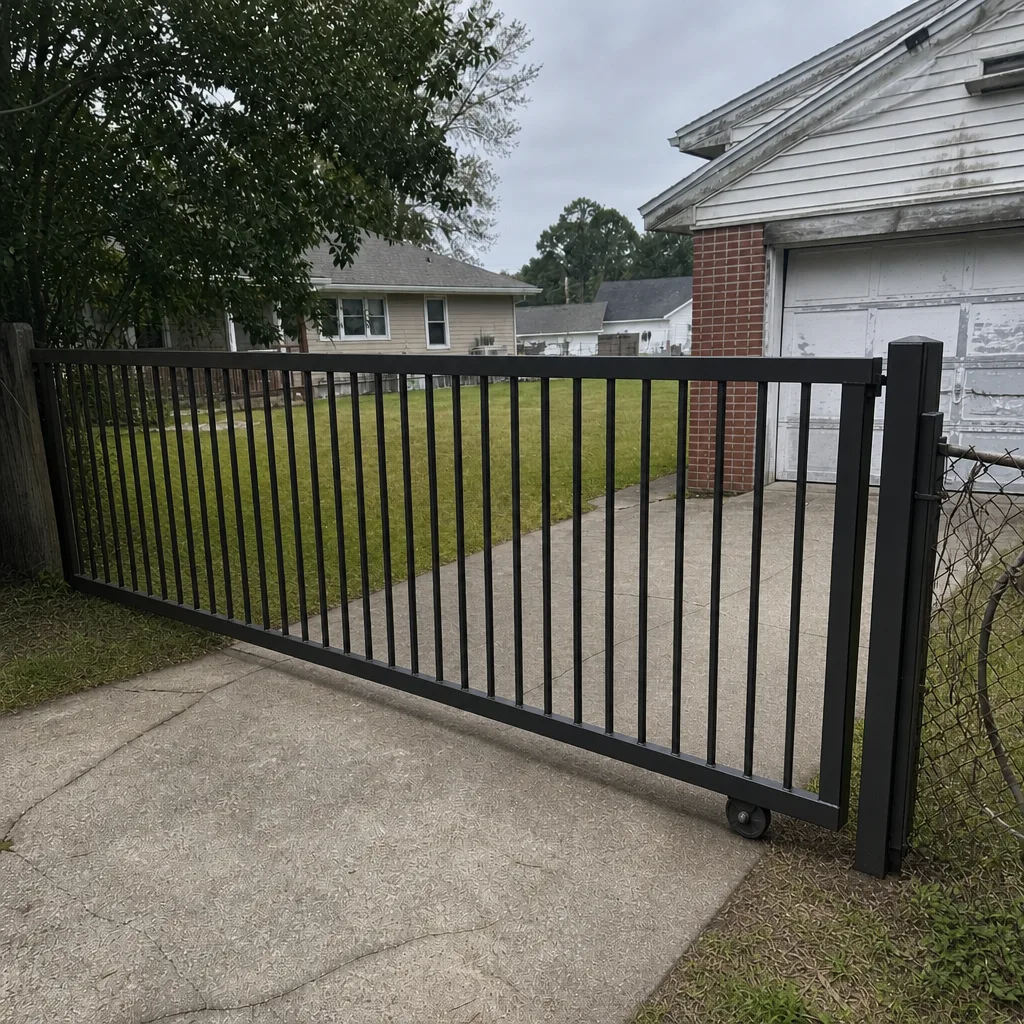 After
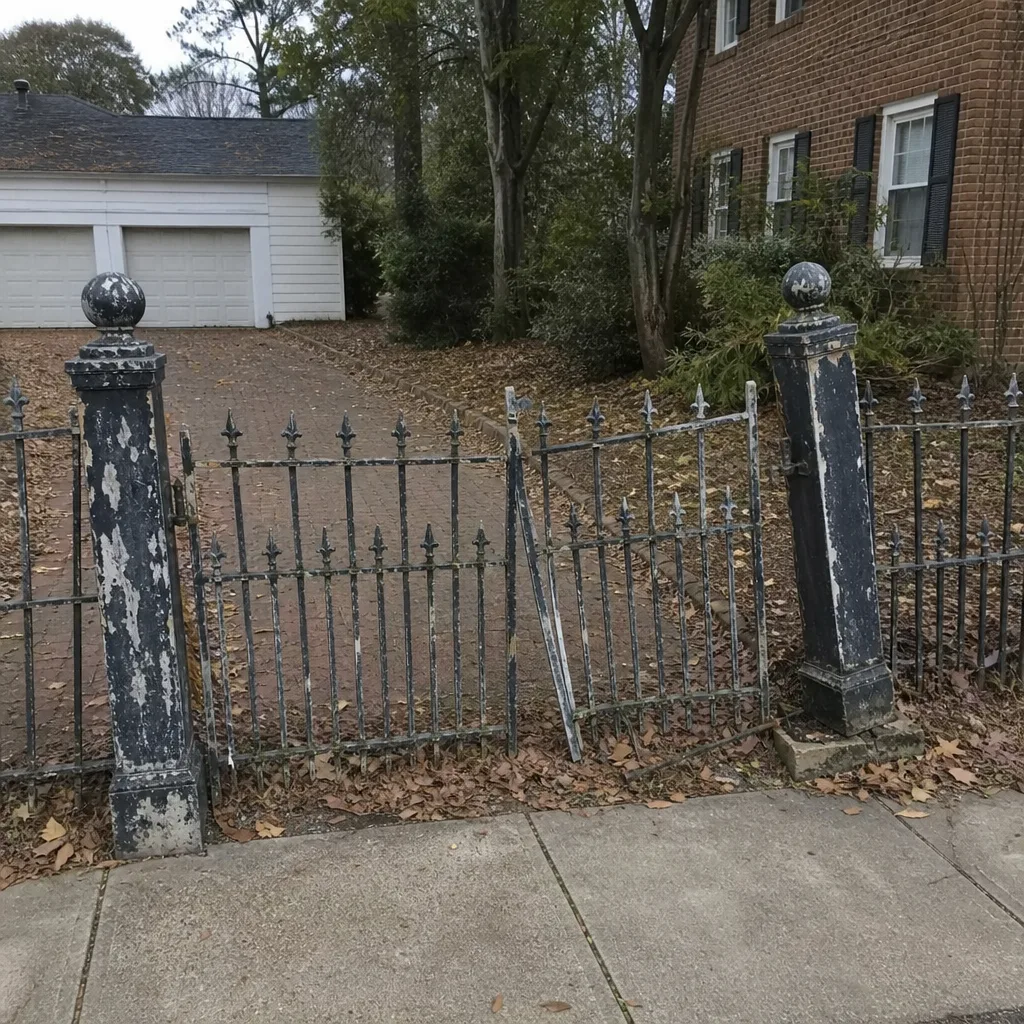 Before
 After
 Before
 After
Frequently Asked Questions
Four times a year is the right rhythm, roughly one inspection per season. A heavier post-winter inspection in March and a pre-storm inspection in September catch most problems, and the summer and winter checks handle electronics and drainage. A gate that also sees heavy daily use, or one that’s showing sluggish movement, benefits from an extra professional look at least once a year.
In our experience, failures cluster in late summer and early fall. Summer humidity takes its toll on electronics and finishes, and that accumulated damage tends to cross the threshold into actual failure right as storm season begins. The pattern is consistent enough that fall prep is more about preventing summer damage from becoming a fall breakdown than about the storm itself.
Many homeowners can swap a backup battery on a modern operator, and it’s one of the easier seasonal tasks. The important part is testing the replacement once it’s in, confirming it holds position during a simulated outage. If the operator won’t accept the new battery or won’t run without main power, that’s a diagnostic issue, not a battery issue, and worth a professional look.
Humidity is a major contributor to Norfolk gate issues, especially inside control enclosures where condensation forms on boards and terminals. It combines with summer heat to accelerate corrosion and shorten component life. Keeping enclosure gaskets intact, ventilated, and lightly shaded cuts the impact considerably, but the electronics are always working against the climate here.
First, disconnect the operator and try moving the gate by hand. If it moves freely, the problem is with the operator; if it’s binding by hand, the mechanical path is the issue, which in winter usually means a frozen or fouled track or shifted soil under a post. Don’t force the gate or over-torque the operator. If it still binds after clearing the track, call us for a look.
Yes, and that’s the exact problem we solve most often. Mid-cycle stalls come from limit drift, battery backup failure, board faults, binding, and shifted posts, and which cause applies depends on your operator’s brand. Call (844) 410-6351 with the brand name and any error codes, and we’ll get you a free estimate. We serve homeowners across Norfolk and the surrounding area.
The Bottom Line
Seasonal gate care in Norfolk comes down to matching the work to what each season actually does. Spring catches post movement and limit drift before they cause summer failures. Summer protects electronics and finishes from heat and humidity. Fall prepares automated and swing gates for storm season. Winter is about drainage and freeze-thaw, not sustained cold. Stagger the calendar, know your brand, test the manual release and battery twice a year, and you’ll catch most problems while they’re still cheap to fix. When something does fail, or when a check turns up something you’re not sure about, we’re here for the diagnostic and the repair.
Written by the team at Gate Repair Norfolk.