
Last updated November 16, 2026
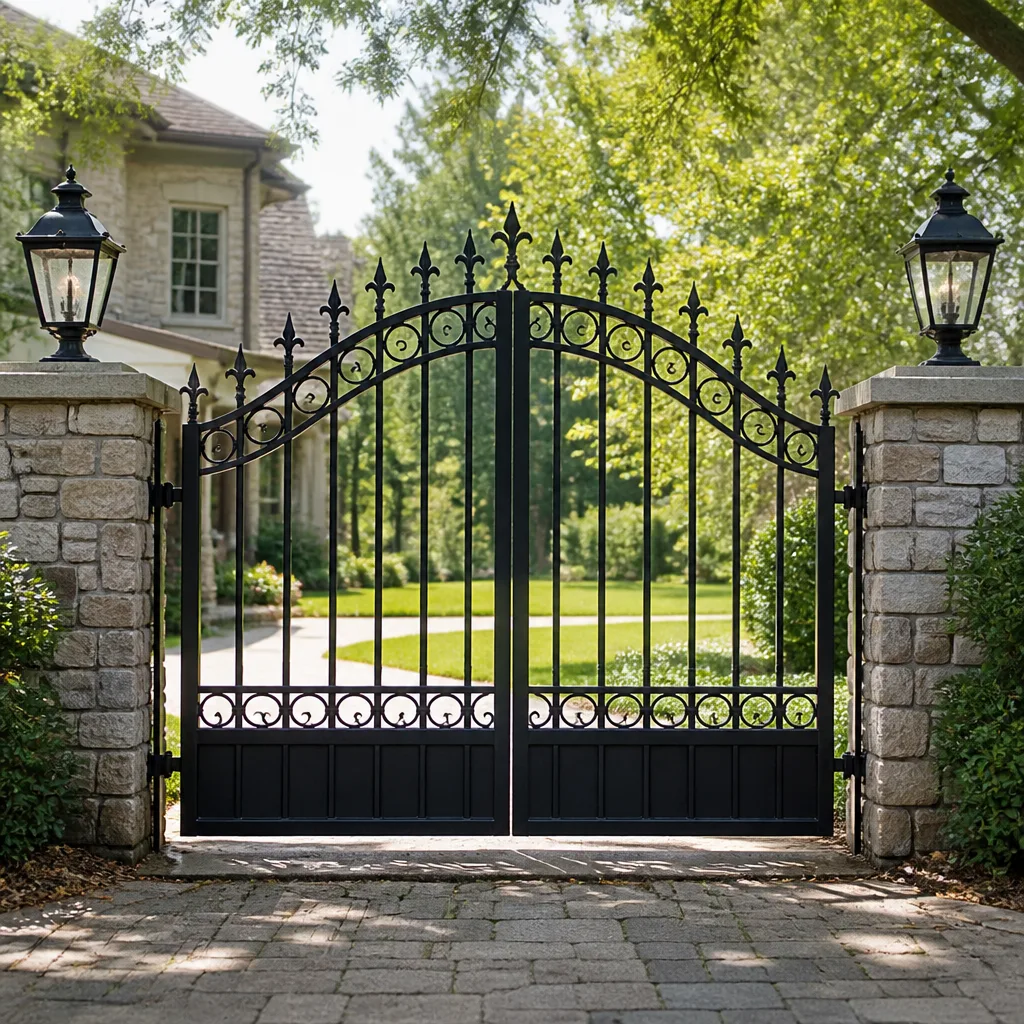 Wrought iron
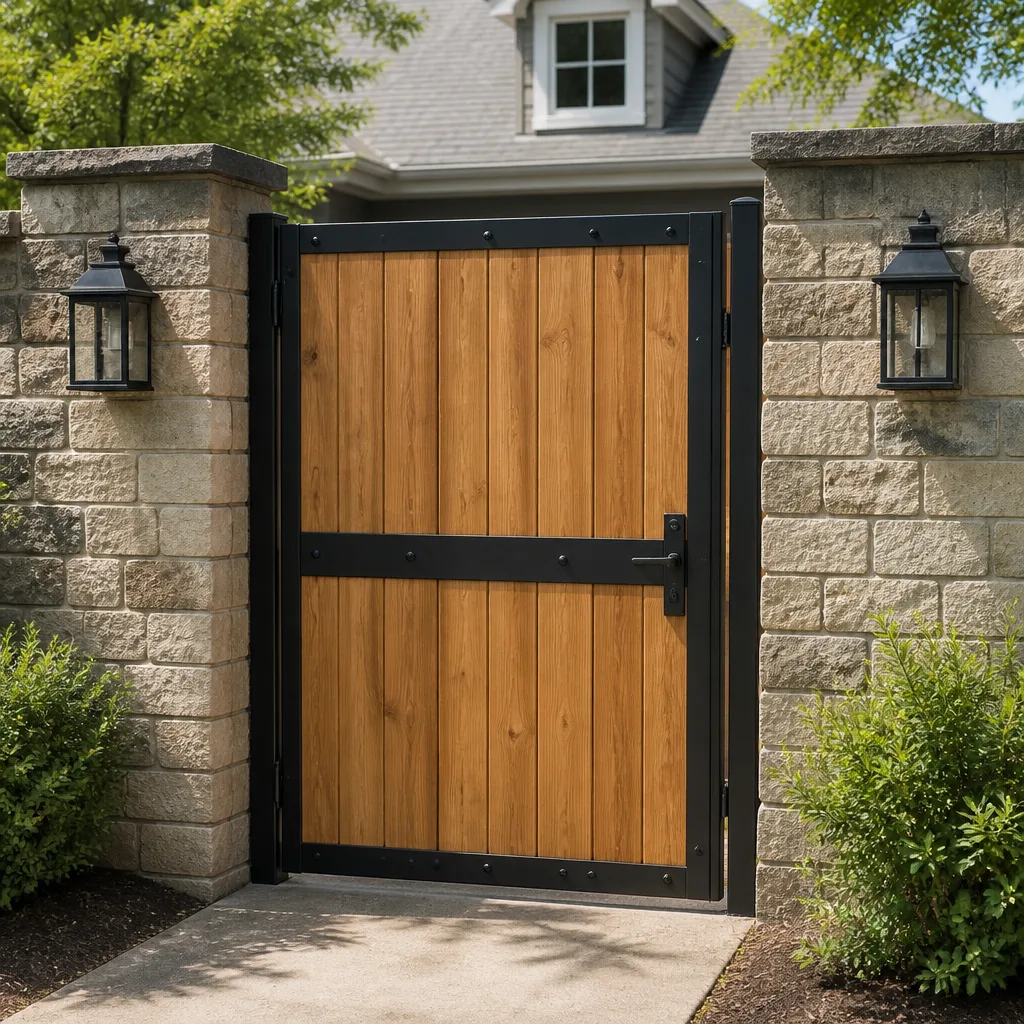 Wood & steel frame
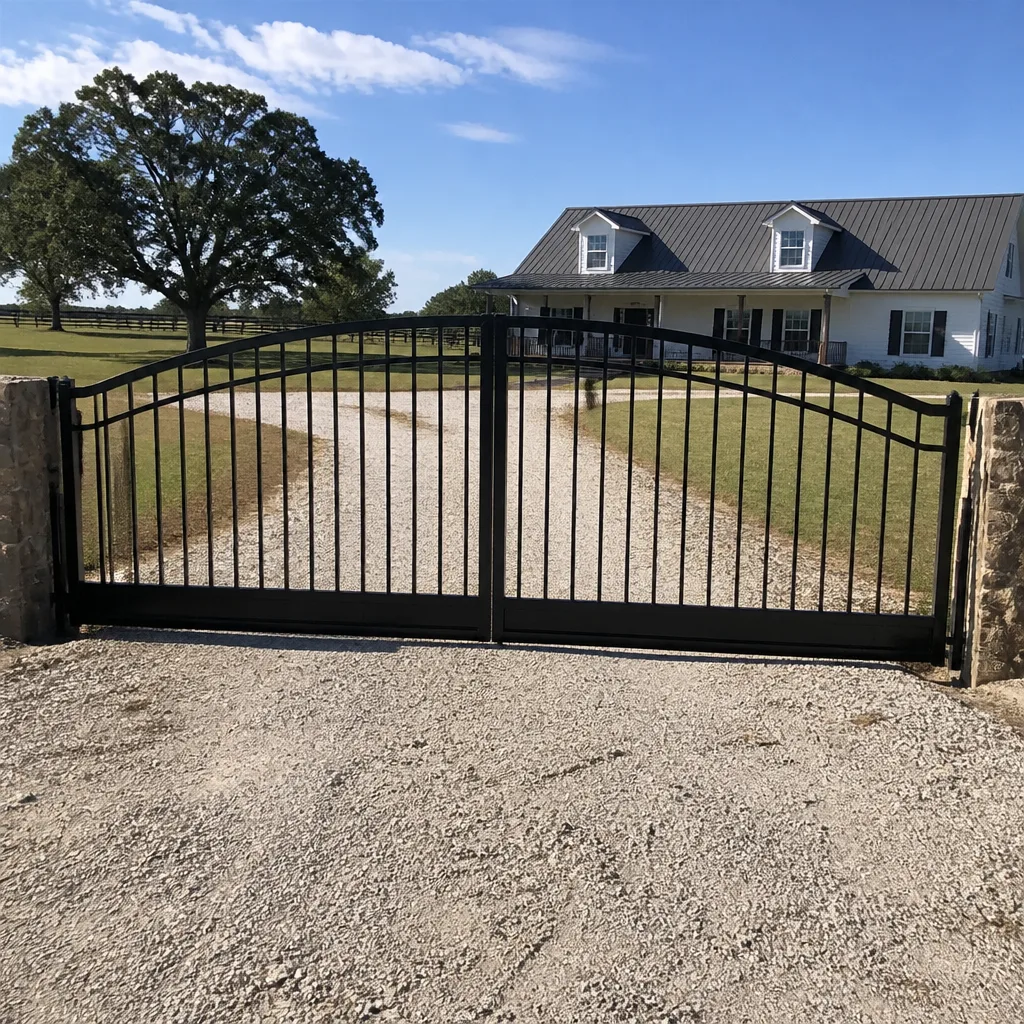 Farm & ranch
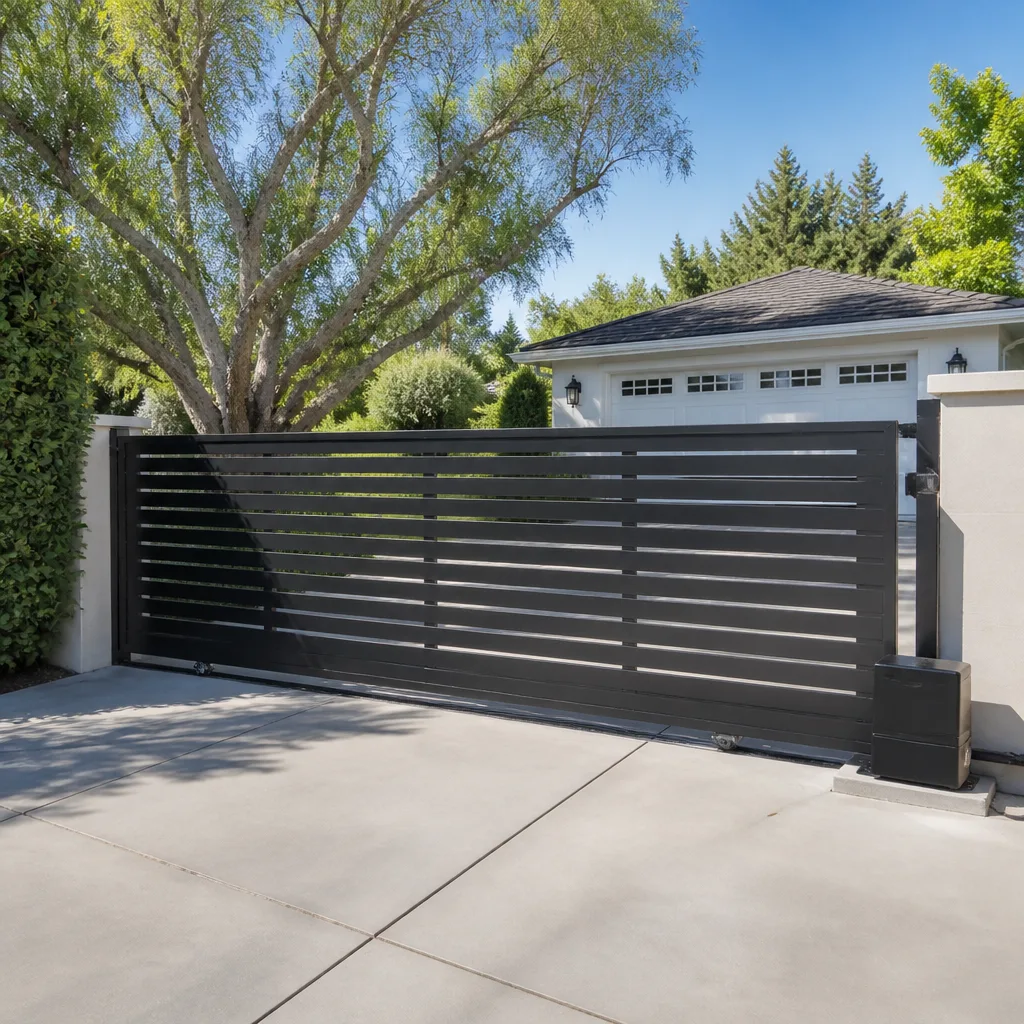 Sliding driveway gates
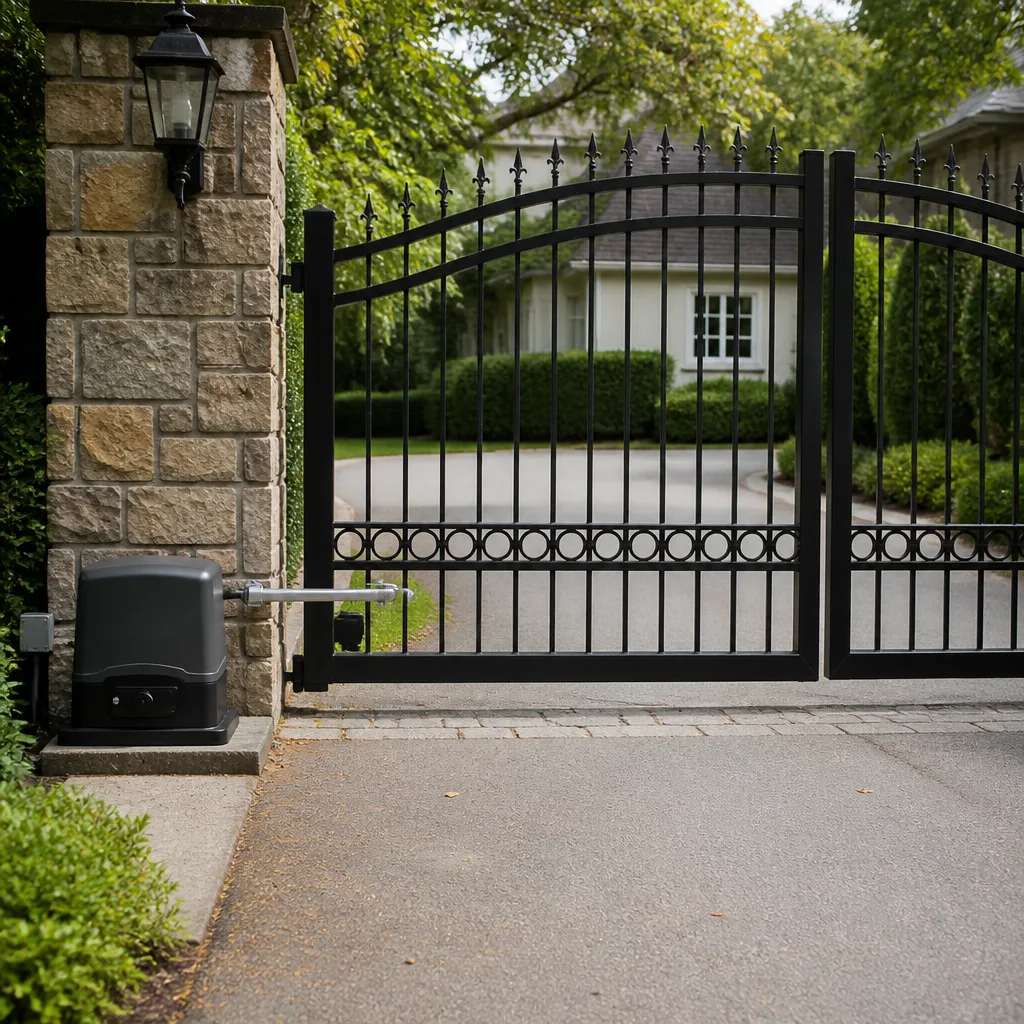 LiftMaster operators
Free on-site gate assessment - hinges, posts, and your LiftMaster or Nice gate operator checked before anything is quoted
The assessment is free and the quote is the invoice.
Get your free estimateHow to Hire a Gate Repair Contractor in Norfolk: A Step-by-Step Guide
A fence company quoting your LiftMaster gate repair and an actual gate automation specialist quoting the same job are not interchangeable. One of them will misread a control board fault as a dead motor, order the wrong part, and leave you with a bill and a gate that still won’t open. Virginia’s contractor licensing rules make this worse, because “gate repair” gets thrown around by trades that are licensed for fencing or general handyman work and not for the electrical side of an automated system. This guide shows you how to filter out the guessers before you book anyone in Norfolk, what to ask on the phone, and how to write a scope that protects you from paying for someone’s on-the-job training.
Quick Answer
To hire a gate repair contractor in Norfolk, verify the company is licensed in Virginia for the electrical work an automated gate requires, confirm they’ve worked on your specific operator brand (BFT, Linear, Viking, Ghost Controls, and others), and insist on a written diagnostic before authorizing labor. The right contractor identifies your system by brand and model, names the parts being sourced, and prices the job per a written estimate you agree to before any work starts.
Styles & brands we work with
- Wrought iron
- Wood & steel frame
- Farm & ranch
- Sliding driveway gates
- LiftMaster operators
Table of Contents
- Why Gate Repair Is Not a Fence or Garage Door Job
- What Licensing Does Virginia Require for Automated Gate Work?
- How Do You Verify a Contractor’s Credentials Before Booking?
- What Questions Expose Whether a Contractor Really Knows Gate Automation?
- What Red Flags Should You Watch for in a Quote?
- Why Multi-Brand Experience Beats Years in Business
- How Do You Structure the Job Scope to Avoid Open-Ended Labor?
- When to Call a Professional
- Frequently Asked Questions
Why Gate Repair Is Not a Fence or Garage Door Job
A gate looks like a fence with hinges until you open the control box. The moment an operator, a control board, a safety reversing sensor, and a power supply are involved, you’re dealing with an electrical and logic system, not carpentry. That’s the divide most homeowners in Norfolk miss when they search for help, and it’s the reason a quote that looks cheap can cost more once the wrong part gets ordered.
The trades overlap in name only. Fence installers build the structure and often hang the gate; they rarely touch the automation. Garage door technicians understand springs, tracks, and openers, but a sliding or swing gate operator runs on different logic, different sensor protocols, and often different voltage. A general handyman may be able to tighten a hinge or replace a roller, but asking one to diagnose a control board fault is where the real trouble starts.
What makes a gate specialist different is diagnostic depth. In our experience, a large share of “dead gate” calls come down to a sensor misalignment, a blown fuse on the control board, or a limit switch out of adjustment, not a failed motor. A technician who works the actual boards and logic systems of named manufacturers can isolate that fault quickly. Someone applying a one-size-fits-all approach replaces the motor, the problem persists, and you’ve paid for a part you didn’t need.
- Structure: the gate panel, posts, hinges, and track. Fence and mechanical work.
- Automation: the operator, motor, control board, sensors, and safety edges. Electrical and logic work.
- Access control: keypads, remote receivers, intercoms, and loop detectors on commercial systems.
Before you call anyone, know which of those three layers is failing. That single piece of information filters out half the wrong contractors before they even quote. For a deeper look at how we approach the work itself, see our gate repair service page.
What Licensing Does Virginia Require for Automated Gate Work?
Virginia regulates contracting through the Department of Professional and Occupational Regulation, and electrical work falls under a separate licensing board. That means the person working on the wiring and power side of an automated gate should hold, or work under, the appropriate electrical credential for that scope. Fencing and structure generally fall under a contractor license; tying an operator into a power source and wiring safety devices does not.
We won’t quote you a specific license class number here, because the classes and their exact scope are set by the Commonwealth and are best confirmed with the board that issues them. What matters for your decision is simpler: when you ask a company whether they’re licensed for the electrical portion of automated gate work, the right answer is a clear yes with a registration you can look up. A vague answer, a change of subject, or “we’ve never had a problem” is your signal to keep looking.
Norfolk adds a layer most homeowners don’t think about. Gate installations on residential and commercial property often require a permit, and the rules vary by property type and by how the gate ties into the electrical supply. We don’t guess at local permit requirements, and neither should anyone you hire. Ask the contractor whether a permit is needed for your job, and confirm the answer directly with the city’s building department. A contractor who shrugs off permits on an automated gate is telling you something about how they handle the rest of the job too.
One thing you should never hear: any claim of a specific license number, certification ID, or insurance certificate that isn’t offered for you to verify. Reputable companies expect you to check. Ours are stated clearly and can be confirmed, and we’d rather you verify than assume.
How Do You Verify a Contractor’s Credentials Before Booking?
Verification is a fifteen-minute job, and it’s the step that separates a good hire from an expensive lesson. Do it before anyone sets foot on your property, not after the invoice arrives.
- Look up the contractor’s registration. Ask for the license or registration number and confirm it with the Virginia board that issues it. If they can’t produce a number, stop here.
- Ask about the electrical scope specifically. Confirm who will actually perform the electrical work and under what credential. The answer should be immediate and specific.
- Confirm insurance and bonding. Ask for proof and check that it’s current. A gate is a heavy moving object; you want coverage in place before work begins.
- Ask for the brand and model of your operator. A real specialist will want to know before quoting. Note it yourself, so you can put it in the conversation.
- Get the diagnostic and the estimate in writing. Not a phone number alone, not a flat “we’ll fix it for X.” A written scope with a price you agree to before work starts.
- Ask who sources the parts. A contractor who can name the supplier and the lead time is a contractor who has done this before.
Run through those six steps and you’ll have filtered out the fence installers who treat gates as an add-on and the garage door techs who’ve never opened a gate control box. That’s the whole point of the exercise.
What Questions Expose Whether a Contractor Really Knows Gate Automation?
Here’s the test that separates specialists from guessers: ask them to describe the safety reversing sensor setup on your brand. On a LiftMaster residential operator, on a FAAC commercial system, and on a Ghost Controls unit for a long driveway, the sensor protocol and the logic that reads it are not identical. A technician who has actually worked those systems will describe the sensors and the board’s response without hesitating. A technician who is guessing will give you a generic answer that fits any brand and none.
We’ve found that a handful of follow-up questions do most of the work:
- “What brand and model is my operator, and what’s the control board in it?” If they can’t tell you without looking, that’s fine. If they can’t tell you after looking, that’s a problem.
- “If the gate won’t open, what’s the first thing you check?” A good answer mentions power, then the control board or sensors, before the motor. Replacing the motor first is a red flag.
- “How do you test the safety edges and reversing sensors?” They should describe an actual test, not just “we check them.”
- “Have you worked on this brand before?” For BFT, Linear, Viking, Ghost Controls, and the rest, the answer should be specific to the brand, not a general yes.
- “What happens if the part isn’t available?” A specialist names a sourcing path or a compatible alternative. A guesser says “we’ll figure it out.”
You don’t need to know the answers yourself. You just need to hear whether the person on the other end of the line does. When a technician can talk about the actual control board in your operator, that’s the difference between a diagnosis and a guess. It’s also why we work on the brand you already have rather than steering every customer toward a single manufacturer.
What Red Flags Should You Watch for in a Quote?
A quote tells you how a contractor thinks. Three things should make you pause: a flat rate with no diagnostic line, silence on where parts come from, and an inability to identify your system by brand and model. Each one points to the same underlying problem, which is that the person quoting hasn’t actually assessed your gate.
Diagnostics matter because a gate repair isn’t always the obvious failure. A slow gate might be a worn hinge, a tired motor, or a control board sending the wrong ramp signal. Without a diagnostic step built into the estimate, you’re paying for a guess dressed up as a fixed price. Silent part sourcing is the same issue in a different form: if the quote doesn’t say what’s being replaced or where it’s coming from, you can’t judge whether the price makes sense or whether the part will match your operator.
Other flags we see in Norfolk:
- No brand knowledge. If the contractor can’t name your operator after a look, they’re learning on your gate.
- Diagnosis by replacement. Replacing the motor before checking power, sensors, and the board is expensive guesswork.
- Open-ended labor. “We’ll charge by the hour until it’s fixed” puts all the risk on you.
- Pressure to replace the whole gate. Plenty of failing gates need a part, not a new structure.
- No written estimate. Verbal-only pricing leaves you with nothing if the number changes.
- No mention of sensors or safety edges. Anyone who skips the safety devices on an automated gate is skipping a core part of the job.
None of these require you to be an expert. They just require you to notice what’s missing from the paperwork. If you’re already past the quote stage and want to know what a proper electric gate diagnostic looks like, our electric gate repair page walks through it.
Why Multi-Brand Experience Beats Years in Business
Age of a company tells you very little when your gate isn’t a common residential model. A company could be old and have only ever installed one brand, which means a BFT slide gate or a Viking swing operator arrives on their schedule as an unfamiliar machine. Brand breadth matters more, and it matters most when your system is outside the residential mainstream.
Residential and commercial operators live in different worlds. Ghost Controls and Linear units on a long driveway need a different approach than a heavy-duty DoorKing or FAAC system controlling access to a commercial lot. The operating logic, the power setup, and the safety devices differ enough that a technician who works one and not the other will spend your time learning. What you want is someone who moves comfortably across the range, from the entry-level brands into the heavy commercial units.
Our technicians have up to 9 years of experience, and the range of brands they work is deliberate. We’re experienced with LiftMaster, FAAC, BFT, Linear, Viking, Ghost Controls, DoorKing, Elite, and Mighty Mule. That list isn’t a sales pitch; it’s the practical reason a call about an unfamiliar operator doesn’t turn into a research project at your expense. Brand-specific diagnostics means we’re working the actual control boards, motors, and logic systems rather than applying a general fix and hoping.
If you skip this step, you risk three things: paying for parts that don’t match your system, a warranty that gets voided by work done wrong, and a gate that fails again because the real fault was never found. Before you sign anything, ask the contractor to name the brands they’ve worked on recently, then check whether yours is on the list.
How Do You Structure the Job Scope to Avoid Open-Ended Labor?
The best protection against a bill that grows past the quote is a written scope agreed before work starts. On a gate repair, that means separating the diagnostic from the repair, pricing each clearly, and putting a cap on anything open-ended. It’s also the simplest way to make sure the technician isn’t learning on your dime.
Structure the job in stages:
- Diagnostic first. Price the diagnostic as its own line item. It should end with a written finding, not a “we’ll see.”
- Written repair estimate. Once the fault is known, you get a scope that names the part, the brand, and the price. You approve or you don’t.
- Parts sourcing stated up front. Which part, from where, and what the lead time is. If it has to be ordered, you should know before paying.
- Labor defined, not open-ended. The estimate should describe what labor is included. Anything beyond that comes back to you for approval.
- Safety devices in scope. For an automated gate, testing the sensors and safety edges is part of the job, not an extra.
- Final walk-through. Before payment, the gate should be cycled and the sensors tested in front of you.
A written estimate that sets the final price protects both sides. It means you know what you’re paying before anyone touches the gate, and it means the technician has committed to a scope rather than an open clock. Free estimates make this easy to do without risk, and the price is set per job, not per hour of guessing.
On a gate, the safety caveat belongs in the scope too. The operator’s wiring and power carry real risk, and a heavy swinging or sliding panel can crush if it moves unexpectedly. That’s not a job for step-by-step DIY instructions or a well-meaning neighbor. A trained professional should handle the electrical side and the moving panel, and the scope should reflect that.
Common Mistakes to Avoid
- Hiring the cheapest fence company. Fence installers work the structure, not the automation. On an automated gate, the low bid often means the electrical side gets skipped or rushed, and the gate stops again within a month.
- Skipping the license check. Two minutes on the Virginia board’s lookup saves you from a contractor who isn’t credentialed for the electrical scope. It’s the single highest-value step in this guide.
- Accepting a flat rate with no diagnostic. A price with no diagnostic line means the contractor is guessing at the fault. That’s how motors get replaced when the real problem was a sensor.
- Not knowing your brand and model. If you can’t tell the contractor what operator you have, they can’t quote accurately, and you can’t judge whether they’ve worked on it. Note it before you call.
- Assuming a permit isn’t needed. Gate installations in Norfolk often require one, and the rules vary by property type. Confirm with the city’s building department rather than taking a contractor’s word for it.
- Authorizing open-ended labor. “We’ll work until it’s fixed” leaves the bill open. Insist on a written scope with a price you agree to first.
- Forgetting the safety devices. An automated gate without working reversing sensors and safety edges is a hazard to people and vehicles. Make sure testing them is in the scope.
When to Call a Professional
Some gate problems are a nuisance; some need a technician before they get worse. Call a professional when the gate stops reversing on contact with an obstruction, when the operator runs but the panel doesn’t move, when the gate drifts, sticks, or reverses partway through a cycle, or when a control board shows a fault you can’t clear. Call immediately if a heavy sliding gate has come off its track or a swing panel is hanging on one hinge, because that’s a crushing risk and not something to test by hand. If your keypad, remote receiver, or access control stops responding, that’s a diagnostics job too. Gate Repair Norfolk offers free estimates in Norfolk. Call (844) 410-6351. We answer 24/7. Fast dispatch from 7am to 7pm, Sunday through Friday.
Frequently Asked Questions
Confirm the contractor is licensed in Virginia for the electrical work an automated gate needs, verify they’ve worked on your specific operator brand and model, and insist on a written diagnostic and estimate before authorizing any labor. The three checks together filter out fence installers and garage door techs who don’t handle gate automation. Call (844) 410-6351 for a free estimate.
Yes. Automated gate work includes the electrical and power side, which Virginia regulates separately from fencing and general contracting. Ask for the registration number and confirm it with the board that issues it, and ask who will perform the electrical portion of the job. Call (844) 410-6351 if you want to talk through your system first.
A gate repair specialist diagnoses the operator, control board, sensors, and access control, not just the structure. A fence contractor builds and hangs panels but typically doesn’t work the automation or the electrical side. When your gate is automated, the specialist is the one who can actually find the fault. Call (844) 410-6351 for a free estimate.
Ask them to name the brands they’ve worked on recently and to describe the control board or sensor setup on yours. For brands like BFT, Linear, Viking, and Ghost Controls, a real specialist will describe the specifics without hedging. If the answer fits any brand and none, keep looking. Call (844) 410-6351 to ask about your system.
It depends on the property and scope. Gate installations often require a permit, and the rules vary by property type and electrical connection. Ask the contractor whether a permit applies, then confirm directly with the city’s building department. Don’t rely on a verbal yes from anyone. Call (844) 410-6351 for a free estimate on your gate.
Often yes, when the problem is a sensor, a limit switch, a fuse, or a remote receiver issue and the part is on hand. Jobs that need a brand-specific part ordered are measured and scheduled rather than rushed. We answer 24/7, with fast dispatch from 7am to 7pm, Sunday through Friday, and a call outside dispatch hours is booked into the next opening. Call (844) 410-6351 for a free estimate.
The Bottom Line
Hiring a gate repair contractor in Norfolk comes down to filtering quickly: check the license for the electrical scope, confirm brand and model knowledge, and require a written diagnostic and estimate before anyone touches your gate. Multi-brand experience beats a long company history, because your gate is probably not the common residential model a one-brand shop knows best. Insist on a defined scope, named parts, and safety devices included. Do those things and you avoid paying for guesswork. For a specialist who works the brand you already have, Gate Repair Norfolk is here to help, whether you need repair, electric gate repair, or full installation. Call (844) 410-6351. We answer 24/7. Fast dispatch from 7am to 7pm, Sunday through Friday. Start at Gate Repair Norfolk or explore our Norfolk service area.
Written by the team at Gate Repair Norfolk.
See the difference
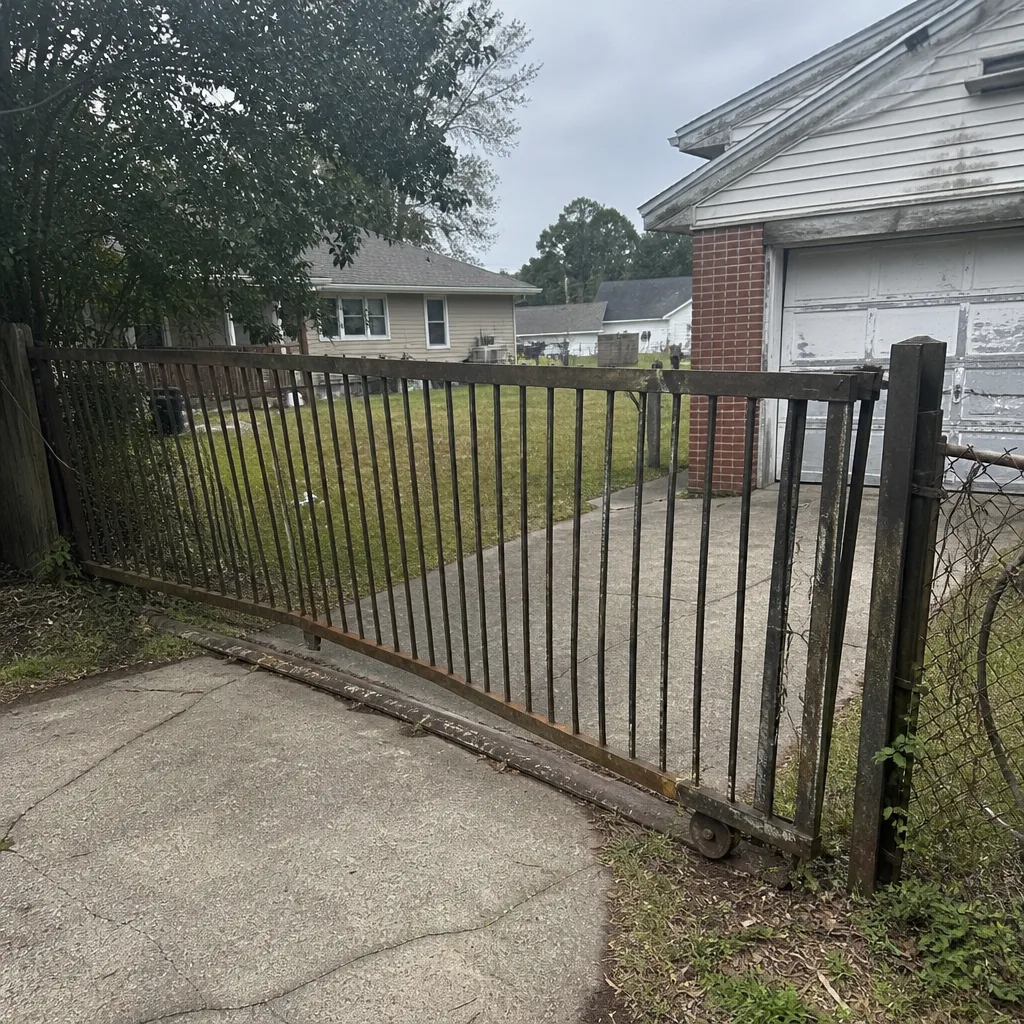 Before
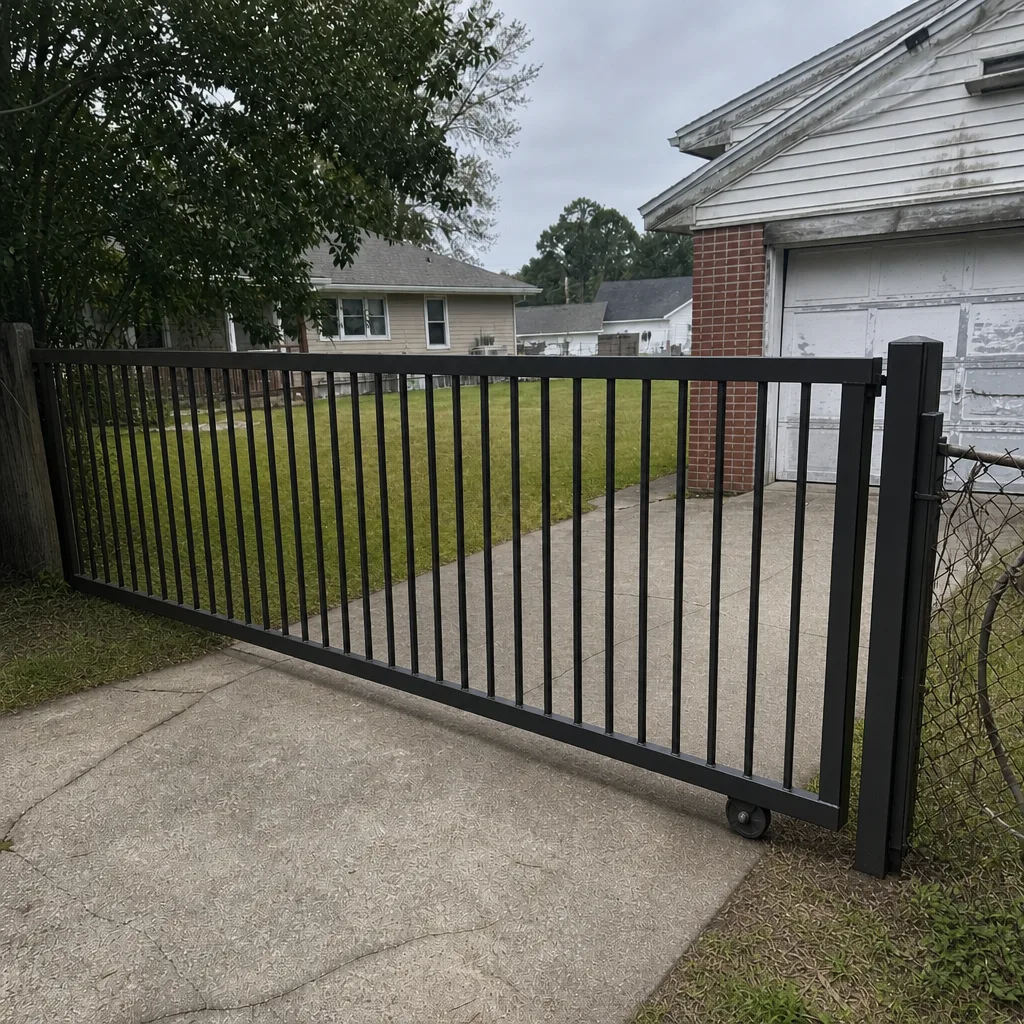 After
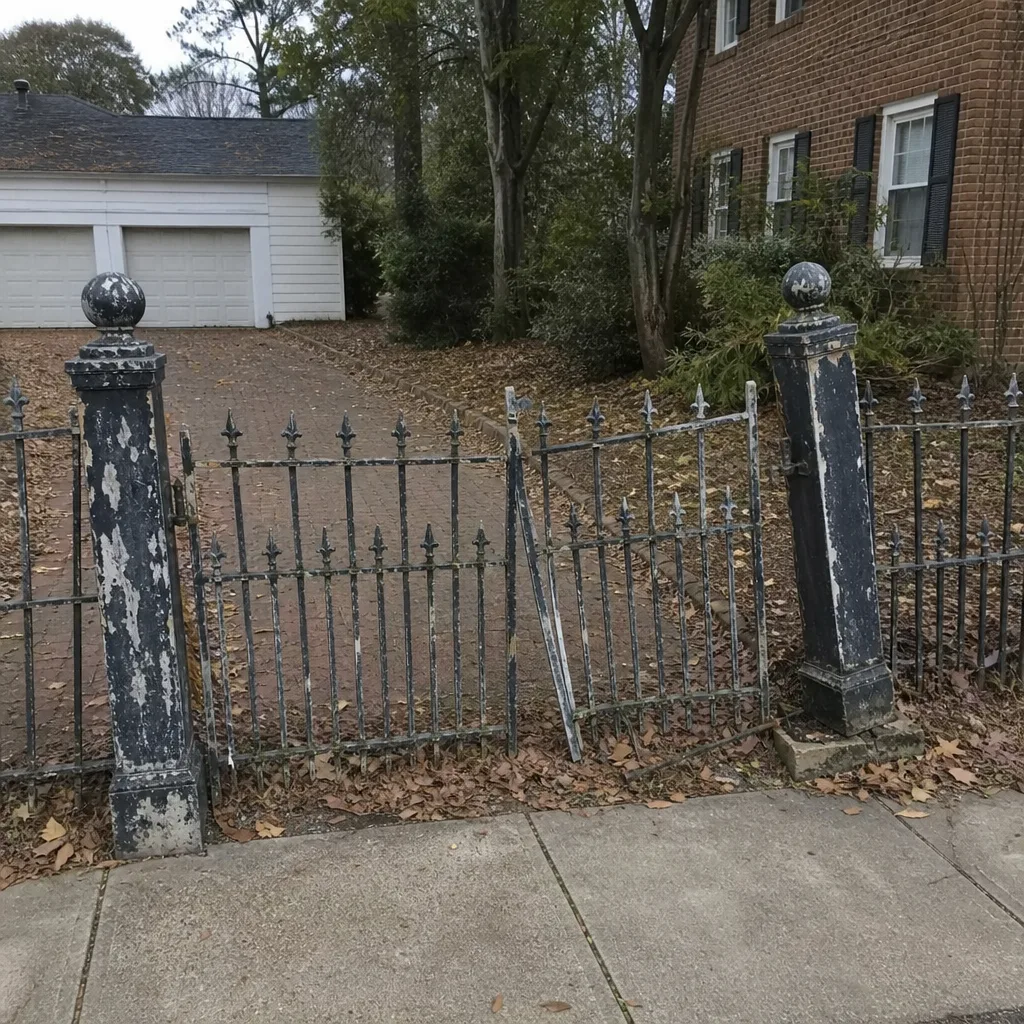 Before
 After
 Before
 After