
Last updated November 16, 2026
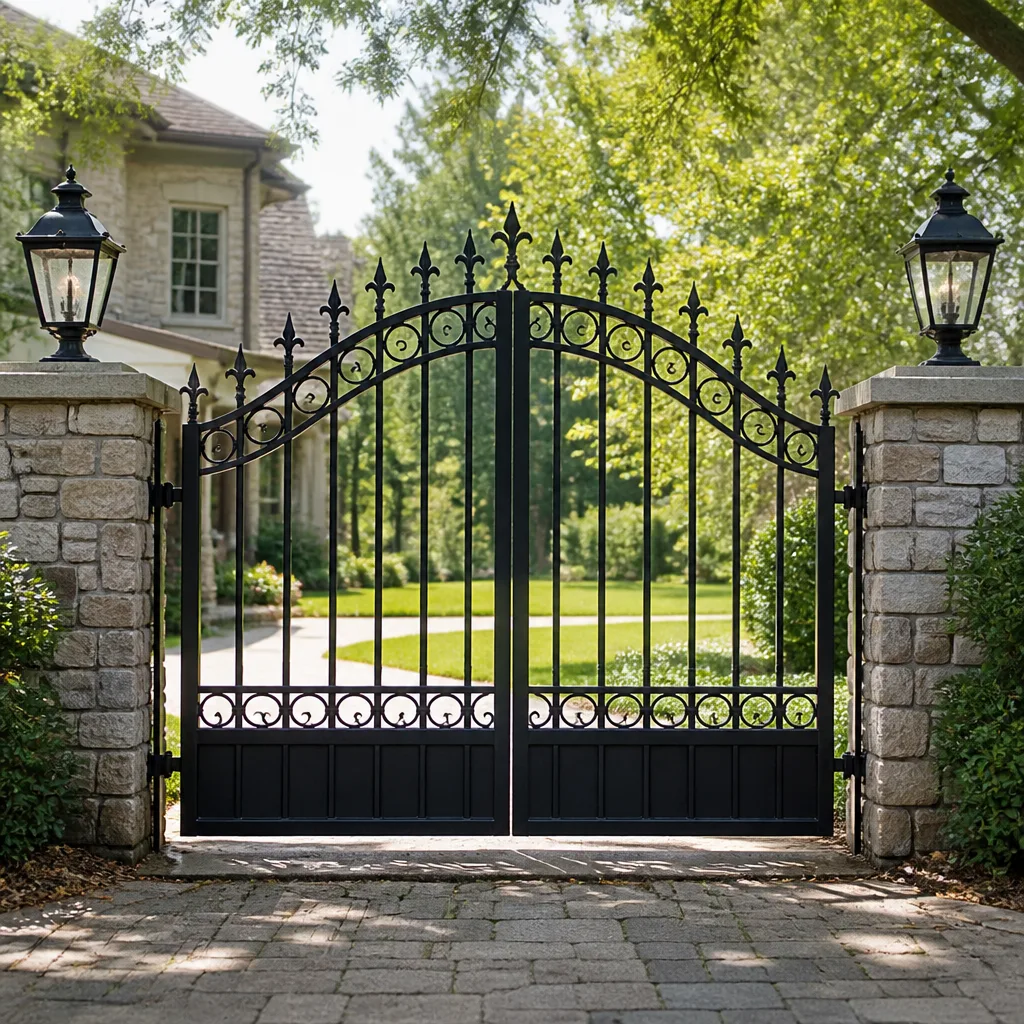 Wrought iron
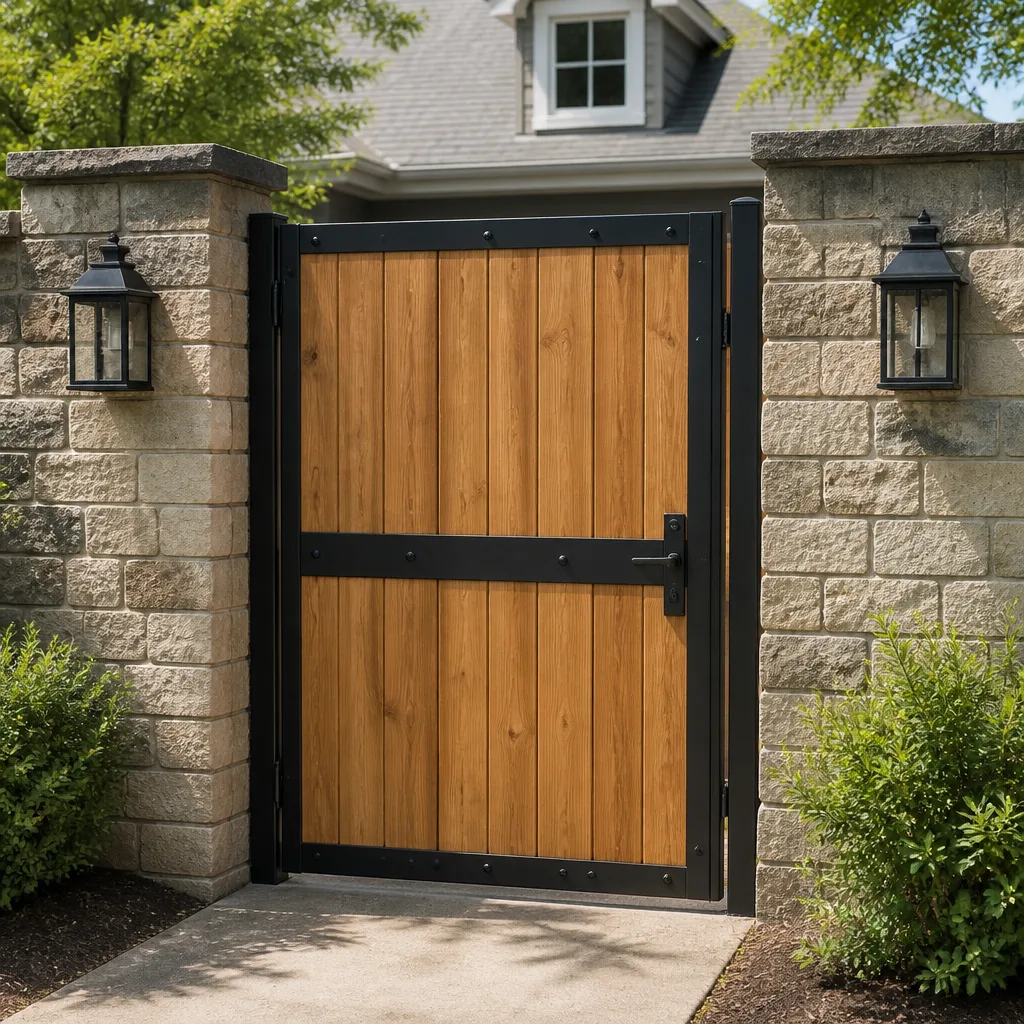 Wood & steel frame
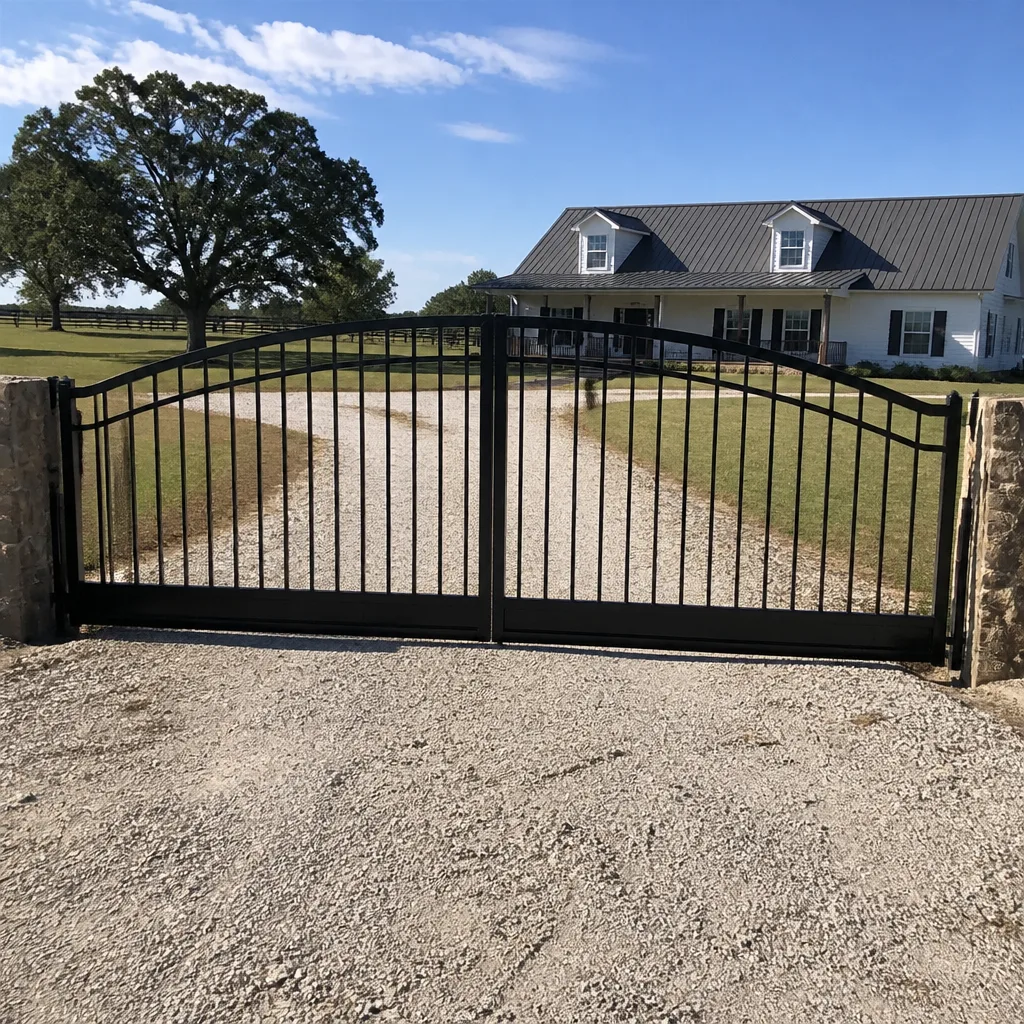 Farm & ranch
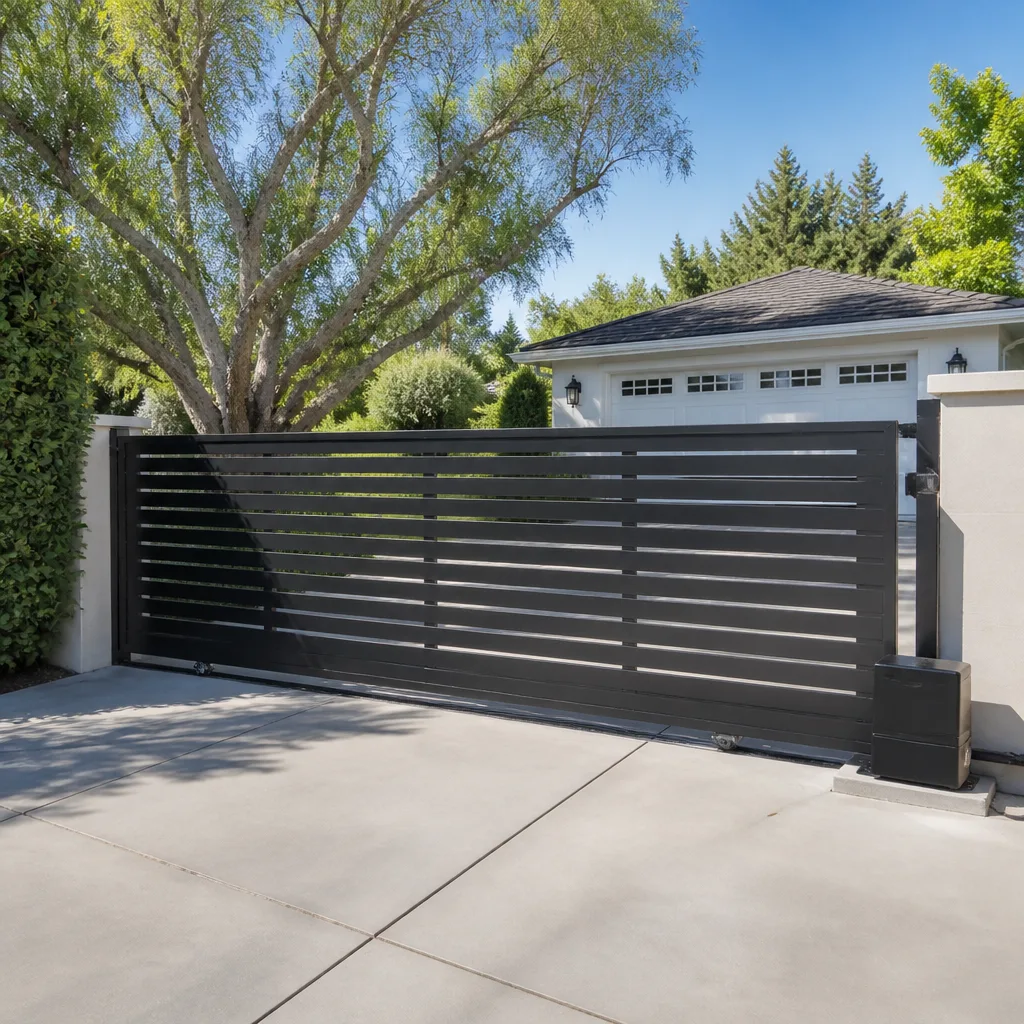 Sliding driveway gates
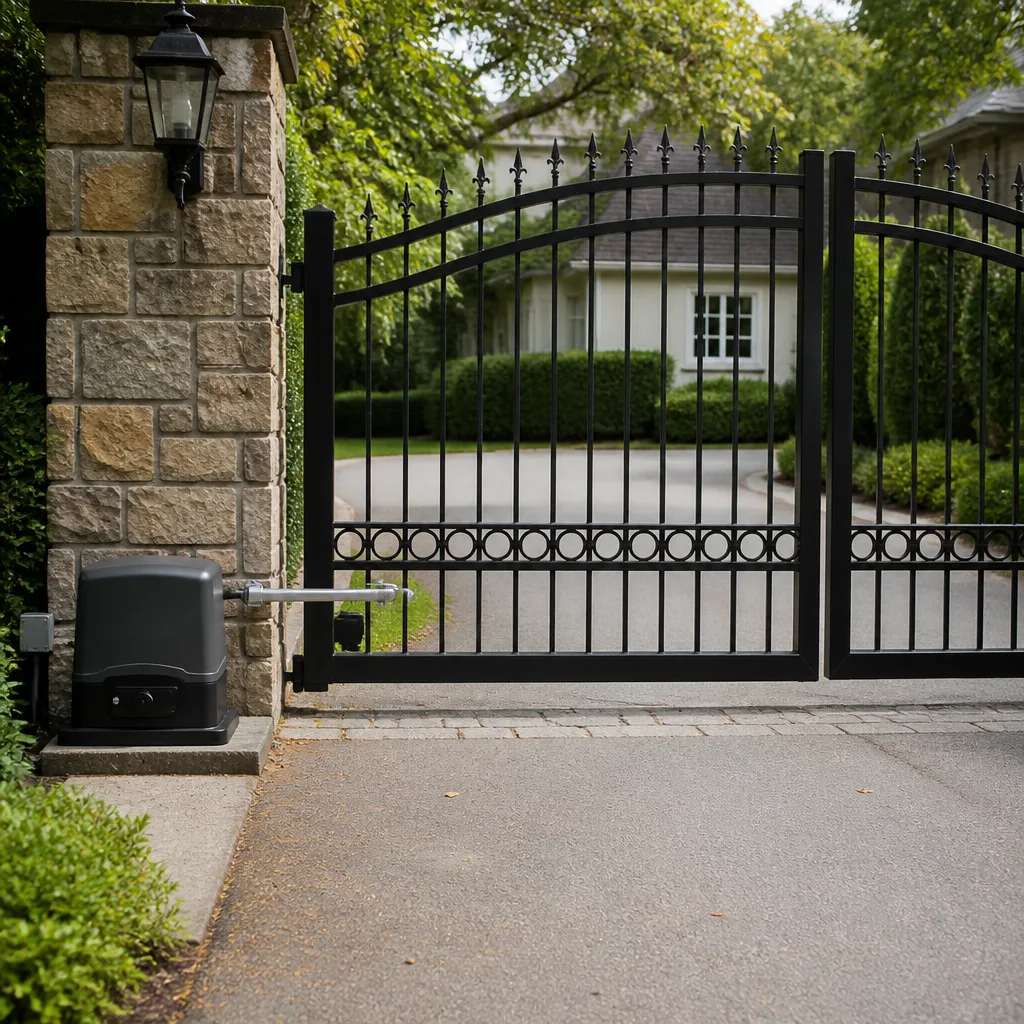 LiftMaster operators
Free on-site gate assessment - hinges, posts, and your LiftMaster or Nice gate operator checked before anything is quoted
The assessment is free and the quote is the invoice.
Get your free estimateGate Repair Permits, Codes & Inspections in Norfolk, VA: What You Need to Know
Most people assume gate repair is permit-free, and for a torsion cable or a misaligned latch they’re usually right. The trouble starts the moment a repair touches electrical wiring, a control board, or the posts that hold the gate up. That’s when Norfolk city code and Virginia’s statewide building code pull the job into a permitting process many contractors skip and most homeowners never think to ask about. In this guide we’ll walk through exactly which gate repair scopes trigger a permit, how the state code treats automated gates on homes versus commercial property, what HOA rules add on top, how UL 325 safety compliance fits in, and how to confirm your contractor actually pulled the paperwork.
Quick Answer
In Norfolk, Virginia, mechanical gate repair (hinges, latches, rollers, chains, physical adjustments) is generally treated as maintenance and doesn’t require a permit, but any repair that involves new or altered electrical wiring, control board or operator replacement, or structural relocation of a gate post usually requires an electrical or building permit under the Virginia Uniform Statewide Building Code. A code-compliant automated gate must also meet the federal UL 325 entrapment protection standard. Always ask your contractor whether the job needs a permit and get it in writing.
Styles & brands we work with
- Wrought iron
- Wood & steel frame
- Farm & ranch
- Sliding driveway gates
- LiftMaster operators
Table of Contents
- Do You Need a Permit to Repair a Gate in Norfolk?
- Which Repairs Trigger a Permit and Which Don’t
- How Virginia’s Uniform Statewide Building Code Applies to Gates
- Residential vs. Commercial Automated Gates
- HOA Overlay Rules on Top of City Code
- UL 325 and What a Code-Compliant Gate Looks Like
- How to Confirm Your Contractor Pulled Permits
- What to Do If You Find Prior Unpermitted Work
- What to Expect During a Gate Inspection
Do You Need a Permit to Repair a Gate in Norfolk?
Sometimes yes, sometimes no, and the dividing line is almost always electrical. A gate repair that stays purely mechanical (welding a bracket, replacing a roller, tightening a hinge, adjusting a track) typically falls under routine maintenance and doesn’t require a permit in Norfolk. The moment the repair adds or alters a circuit, replaces the operator’s control board, or moves a post that anchors the structure, the work usually crosses into territory the Virginia Uniform Statewide Building Code regulates.
Here’s the simplest way to think about it: if the fix is about how the gate physically moves, you’re probably in maintenance territory. If it’s about how the gate is powered, controlled, or anchored, ask about permits before anyone starts. That isn’t red tape for its own sake. It’s the difference between work that’s documented and work that could complicate an insurance claim later.
This touches every kind of gate in Norfolk, from a residential driveway unit on a Mighty Mule operator to a heavy sliding gate at a commercial entrance running a LiftMaster system. Property managers and HOA boards should be especially attentive because their exposure is larger. When multiple units share an automated entrance, a single unpermitted repair has downstream consequences for everyone behind the gate.
If you’re not sure which category your repair falls into, that’s a reasonable question to put to the contractor before scheduling. A gate specialist should be able to tell you on the first call whether the scope looks like maintenance or a permitted improvement.
Which Repairs Trigger a Permit and Which Don’t
There’s no single sentence in the code that says “this repair needs a permit.” Instead, the answer depends on what the work actually changes. Here’s how we sort it out in practice.
Usually classified as maintenance (no permit)
- Replacing hinges, latches, or handles on a swing gate
- Adjusting or replacing rollers on a sliding gate
- Tightening or replacing a chain or drive belt on a manual system
- Realigning a gate that has sagged or drifted off level
- Replacing physical safety edges and bumpers (when no new wiring is required)
- Repainting, rust treatment, or replacing a cosmetic panel
- Adjusting a photo-eye or safety sensor to correct misalignment on existing wiring
Usually requires a permit
- Replacing the gate operator or motor assembly when new wiring is involved
- Adding a new electrical circuit or outlet to power a gate operator
- Replacing or reprogramming the control board with new electrical connections
- Relocating or resetting a gate post that changes the structural footprint
- Adding an intercom, keypad, or access control device that pulls new power
- Installing a new automated gate (both electrical and building permits)
- Converting a manual gate to an automated one
Notice the pattern: the permit side is heavy on electrical and structural changes, and the maintenance side is heavy on mechanical parts. A repair that looks “just mechanical” can cross the line if the technician has to open a panel or run a wire, so it’s worth asking upfront.
How Virginia’s Uniform Statewide Building Code Applies to Gates
Virginia uses a statewide building code, the Uniform Statewide Building Code, or USBC, that local jurisdictions adopt and then administer. That means Norfolk doesn’t invent its own electrical rules for automated gates; it enforces the state code through its own permitting and inspection process. If you’ve ever wondered why a repair in Norfolk follows the same skeleton as a repair in another Virginia city, that’s why.
Under the USBC, automated gate systems fall into two overlapping categories:
- Electrical work – anything that adds, alters, or extends the wiring that powers or controls the gate. This is where most repairs land when they cross out of maintenance.
- Building work – structural changes to the posts, footings, or framework that support the gate. Resetting a post is a structural change even if it looks minor.
The practical upshot is that a straight mechanical repair doesn’t need a permit, but a repair that adds electrical work or changes the gate’s support structure does. Norfolk enforces the code at the point of permit application and inspection, so the burden falls on the property owner to make sure the contractor pulls the paperwork before work begins.
In our experience, homeowners tend to be surprised by the electrical side of this and less surprised by the structural side, since anyone who’s watched a gate post sag knows that fixing it is real work. If you’re unsure, call the city’s building department with a short description of the job. They’ll tell you whether a permit is required, and that answer is worth keeping with your records.
Residential vs. Commercial Automated Gates
The code itself doesn’t draw a bright line between a home gate and a business gate, but the practical overlay changes significantly. Residential gates on a single driveway are usually simpler to permit: an electrical permit for the operator, a building permit when the post footprint changes, and a final inspection. Commercial gates – think an apartment complex on a shared entrance, a warehouse lot, or a gated community entrance – add layers.
That layering comes from a few places. Commercial and HOA-shared gates tend to have more complex control systems, more sensors and access devices, higher-voltage or multi-operator setups, and fire or life-safety requirements that don’t apply to a driveway. A LiftMaster commercial operator on a shared entrance often carries a more involved control board, and the inspection covers all the interlock and safety protections tied to that system. An HOA gate with vendor access shares the same scope.
There’s also a maintenance frequency question. A commercial gate that cycles hundreds of times a day wears differently than a residential gate, and commercial repairs sometimes get flagged for inspection simply because a permit was already on file for the original installation and the inspection record must be closed out.
Brand familiarity matters here because the wrong diagnostic can lead to the wrong repair. Systems from FAAC or Elite drive very differently from consumer-grade units, and a technician who’s only seen one flavor may miss the actual fault. That’s why we work on the brands you already own, whether that’s a home driveway unit or a shared commercial unit on a large property.
HOA Overlay Rules on Top of City Code
Norfolk has a lot of neighborhoods where the HOA is the second gatekeeper. City code may say a repair is fine to perform as a permitted electrical job, but the HOA architectural review committee may say the new operator housing, the post cap, or the paint color isn’t allowed. Both have to sign off, and the HOA part isn’t governed by the building code at all.
Common overlay requirements we see in Norfolk-area HOAs include:
- Architectural review approval before replacing or altering visible gate components
- Matching paint, stain, or finish on any exterior material
- Specific post and pillar styles in gated subdivisions
- Rules about signage, keypads, and intercom placement
- Provisions for vendor and emergency access to shared entrances
- Requirements that a licensed contractor perform the work
The mistake we see most often is a homeowner or property manager who gets the electrical permit and then discovers the HOA wants an architectural review and a color sample. That adds days to the project. If you’re in an HOA-managed property, pull the CC&Rs before scheduling. If you’re not sure, ask your board’s property manager to confirm the review process. It’s a five-minute call that can save you a re-do.
For HOA managers specifically, a written scope plus a permit record plus HOA approval is the cleanest paper trail. It protects the association and it protects the owner.
UL 325 and What a Code-Compliant Gate Looks Like
UL 325 is the federal safety standard for gate and door operators, and it’s the part most homeowners have never heard of. In short, an automated gate must have some form of entrapment protection so a person, pet, or vehicle can’t be crushed or trapped when the gate closes. That protection typically means one or more of the following:
- Photo-eye sensors that reverse the gate when the beam is broken
- Safety edges that reverse the gate on contact
- Built-in resistance or obstruction detection on newer operators
- Audible and visual warnings during the closing cycle
A code-compliant repair doesn’t just make the gate open and close. It makes sure those protections still work. If a control board is replaced, the new board must accept and drive the same safety devices. If a safety edge is replaced, it must be compatible with the operator’s logic. If an operator is replaced but the existing photo-eyes aren’t checked, you can end up with an automated gate that runs but doesn’t protect.
The reason this matters on a permit is that Norfolk’s electrical inspection for gate work includes a functional check. A gate that fails the safety function check fails the inspection. A gate that passes inspection but sits outside the safety profile is a bigger problem, because the property owner is left holding the exposure.
Photo-eye sensors in particular tend to get ignored during routine repairs, and that’s exactly why we treat every automated gate repair as a safety review rather than a single-part swap.
How to Confirm Your Contractor Pulled Permits
This is the single most useful thing you can do as a property owner in Norfolk: verify the permit before the work begins. It takes a couple of minutes and it changes everything about how a future insurance or sale scenario plays out.
Here’s a simple workflow:
- Ask the contractor directly whether the scope requires a permit and, if so, who is pulling it. Get this in writing, even if it’s just a line on the estimate.
- Ask for the permit number once it’s been issued, and confirm the scope on the permit matches the work being done. A permit for a “gate” that doesn’t mention electrical work when electrical is the whole job is a red flag.
- Check with Norfolk’s building department on the permit record. They can confirm whether a permit exists and whether it’s open or closed.
- Ask who the inspection contact will be. A contractor with real electrical and gate experience will not hesitate to schedule the inspection and meet the inspector on site.
- Collect the inspection sign-off when the job is closed out. Keep it with your property records.
If you’ve gotten a gate repair estimate and the contractor is cagey about permits, that’s a sign to ask harder questions before you book. A permitted job is one that can be documented, and documentation is what your insurance carrier and a future buyer will want to see. When you’re comparing bids, an itemized scope that mentions the permit is worth more than a cheaper line item with no paperwork.
We’ve seen too many gate repairs where the owner only learns about the permit gap when something goes wrong. Starting with the question is a much better outcome.
What to Do If You Find Prior Unpermitted Work
You may discover during a repair visit that a previous operator replacement, a post reset, or an electrical tie-in was done without permits. It happens, particularly on older homes and on commercial properties with a long chain of tenant and management changes. Finding out mid-repair feels alarming, but the path forward is usually straightforward.
The practical steps look like this:
- Stop additional unpermitted changes. Don’t layer new electrical work onto a circuit that was never inspected. If the operator housing needs to be opened, that should happen under a fresh permit.
- Document what exists now. Photos of the control board, the operator manufacturer, the rating plate, the wiring, and the gate structure all help. If the previous contractor left brand identity behind (say an Elite or a Mighty Mule label), capture it.
- Call Norfolk’s building department and describe the situation. Ask what the process is for retroactive permits or for an as-built inspection. Most departments will tell you whether a retroactive permit or an inspection-first approach is the right path.
- Have the electrical and safety work correctly done under the new permit. That means the control board, wiring, photo-eyes, and safety edges are all brought up to standard, not just tied in.
- Talk to your insurer if the prior work is tied to a claim or a potential claim. The accuracy of the disclosure matters, and the insurer will want to know the current status.
The good news is that unpermitted work is fixable. It’s paperwork and a corrected job, not a demolition. If you suspect prior unpermitted work in Norfolk and you’re unsure how to proceed, a gate specialist who works with the electrical and control side of these systems regularly is a good place to start.
What to Expect During a Gate Inspection
A Norfolk gate inspection under the electrical or building permit isn’t a long visit. It’s focused on whether the work matches the permit and whether the installation is safe. For an automated residential gate, the inspector typically checks that the operator’s electrical connections are correct and secure, that the safety devices are functional, that the gate operates properly through its full cycle, and that the post and attachment points are structurally sound for the work that was done.
For commercial gates, the inspector may also want to look at access control, any fire or emergency release provisions, and the signage. If the gate is on a shared entrance, the inspection may cover the interlock between the control system and the entry devices.
The most common reasons a gate inspection fails or gets delayed:
- Wiring that doesn’t match the permit scope (an extra circuit added, or a circuit that was supposed to be new but was spliced into an old run)
- Photo-eye or safety edge misalignment, or a device that isn’t wired to the operator
- An operator that isn’t compatible with the existing control board or safety accessories
- A gate post that shifts under load because it wasn’t set to proper footing depth
- Missing signage required for automated gates on the property
Most of these show up on the first pass and are easy corrections before the follow-up. The key is that the inspector needs to see the correct kit. A brand-familiar technician on the job makes the confirmation straightforward, because they already know what the manufacturer expects for control boards and safety devices. Our technicians have up to 9 years of experience with gate systems, and they work with the actual logic of manufacturers like FAAC and LiftMaster rather than applying a generic fix.
Common Mistakes to Avoid
- Assuming all gate repairs are permit-free. Mechanical work usually is; anything that touches wiring, the control board, or the structural footprint usually isn’t. Ask about the permit before the work starts, not after.
- Skipping the HOA architectural review. In Norfolk-area gated communities, the electrical permit and the HOA approval are two separate gates. Getting one but not the other can delay the project by days.
- Replacing an operator without checking the safety devices. A new operator tied to old photo-eyes or a failed safety edge isn’t code-compliant. The safety check is part of the job, not an optional add-on.
- Trusting a contractor who can’t name the brand of the existing operator. If they don’t recognize your LiftMaster, Elite, or Mighty Mule system, they may not be able to diagnose the brand-specific control board and sensor issues correctly.
- Ignoring prior unpermitted work. Unpermitted electrical work can complicate an insurance claim later. If it comes up in a repair, address it rather than covering it.
- Hiring a general handyman for a gate that needs electrical work. Gate operators carry real electrical and entrapment hazards. Use a contractor with the right experience and the right permit.
- Not keeping the inspection sign-off in your records. The signed-off permit is your proof the work was done to code. Save it with the property documents.
See the difference
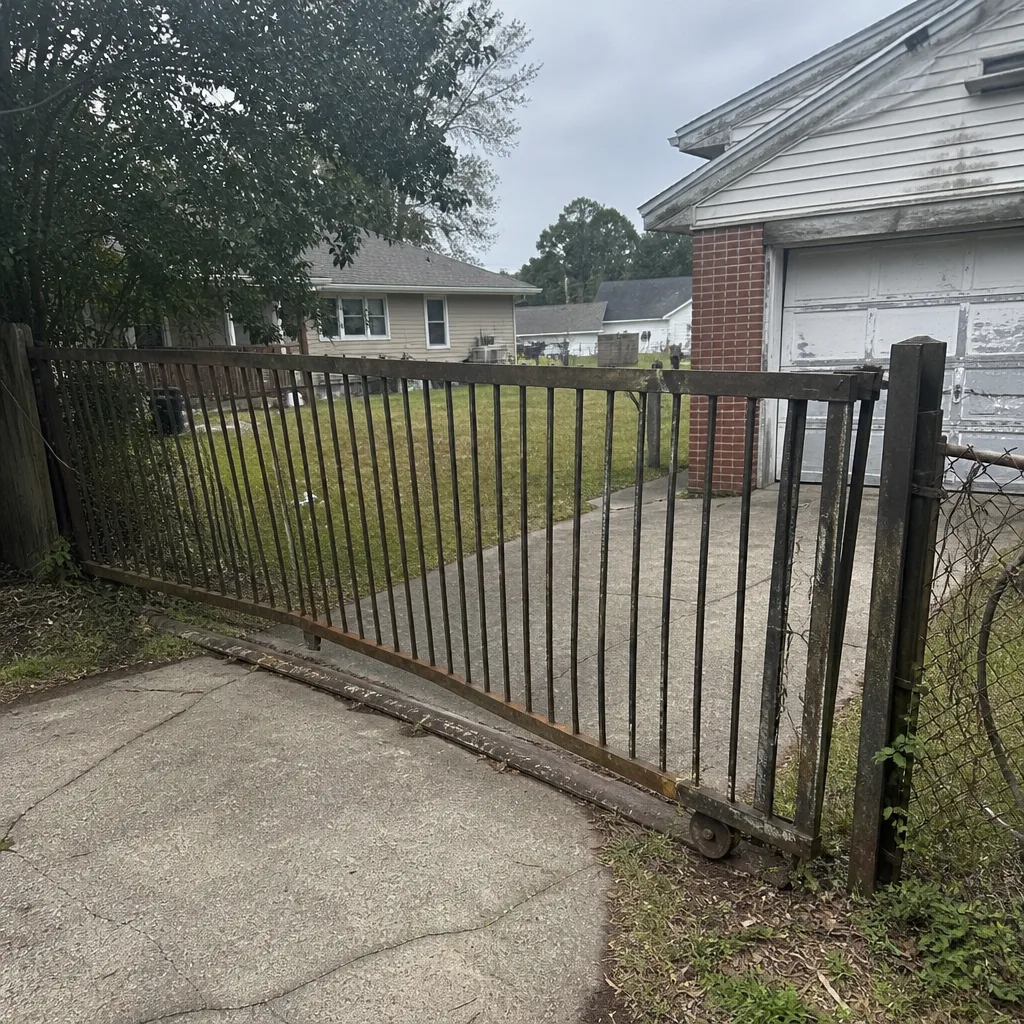 Before
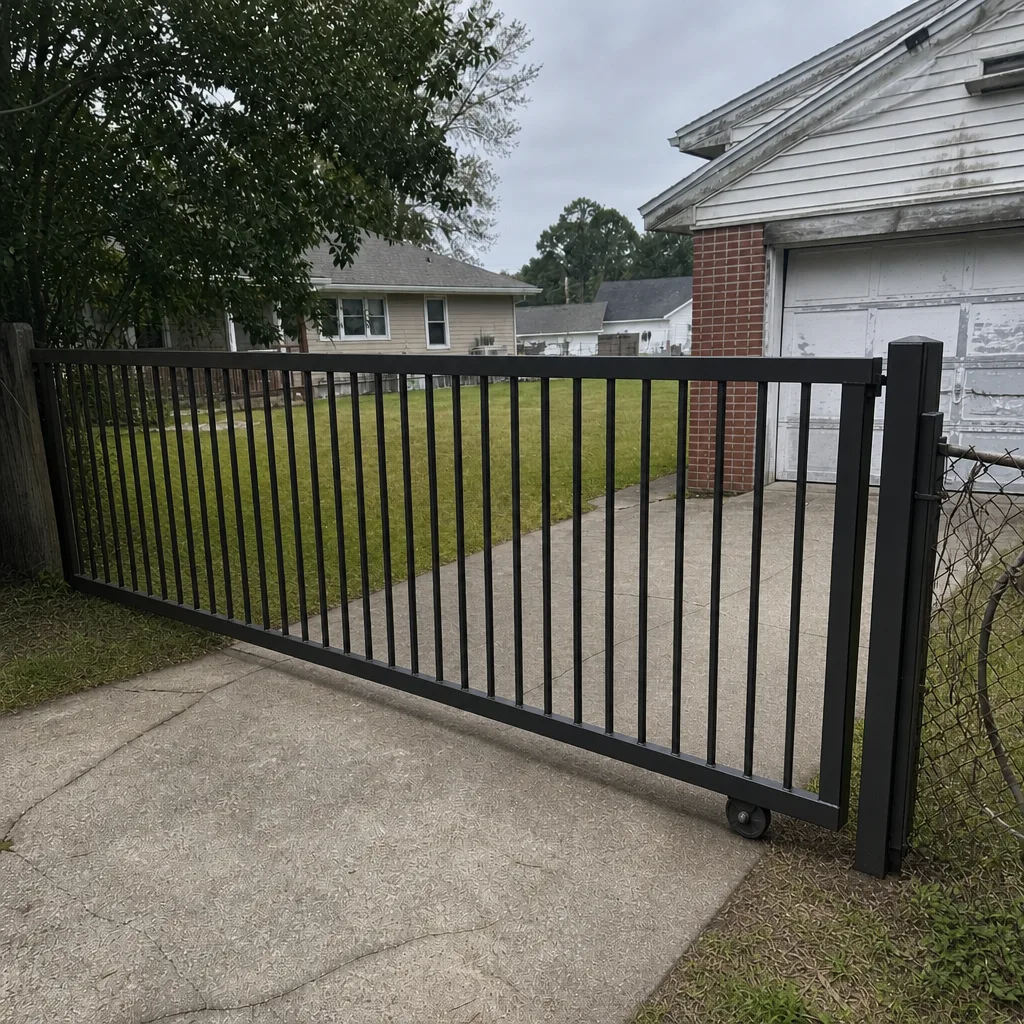 After
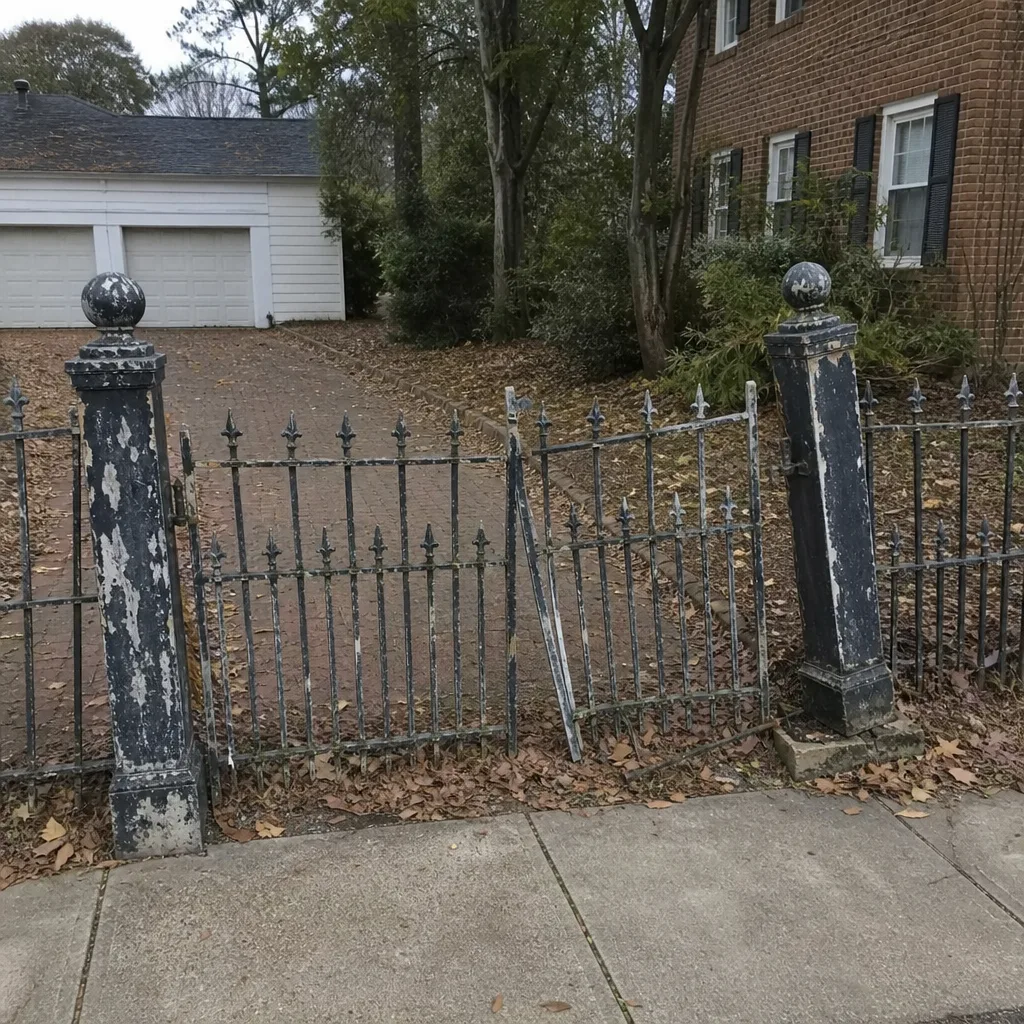 Before
 After
 Before
 After
When to Call a Professional
Call a gate professional any time the repair involves the operator, the control board, the wiring, the safety edge, the photo-eyes, or the posts. Those are the areas where a mistake is not just inconvenient but potentially dangerous, because the electrical and entrapment protections are the whole safety net. Do not open the operator housing or attempt to rewire a gate circuit yourself. A trained technician should handle anything that carries line voltage, and any post reset should be set to proper footing depth, not back-filled short.
Also call a professional when the gate is behaving strangely (opening partway, reversing without contact, refusing to close) because those symptoms often point to a safety device and not the gate itself. A manual gate with a sagging post or a broken hinge is also worth a call because a leaning gate strains the operator and shortens its life.
For a free estimate in Norfolk, call (844) 410-6351. We answer 24/7. Fast dispatch from 7am to 7pm, Sunday through Friday. We work on the brand you already have, so there’s no need to relearn the system with a new contractor.
Frequently Asked Questions
Yes for any repair that involves electrical wiring, control board replacement, or structural relocation of a gate post; no for pure mechanical maintenance like hinges, rollers, or latch adjustments. The simplest test is whether the repair changes how the gate is powered, controlled, or anchored. If it does, plan on a permit. If it’s a mechanical part swap, it usually falls under maintenance. Call (844) 410-6351 for a free estimate and we’ll tell you which category your job is in.
Replacing an operator with new wiring, adding a new circuit or outlet, replacing a control board with new electrical connections, and adding intercom or access-control devices that pull power all typically require an electrical permit in Norfolk. A straight mechanical swap of a hinge, roller, or latch generally doesn’t. When in doubt, call the city’s building department with a short description. Call (844) 410-6351 and we can walk through whether your scope needs a permit before we book.
The USBC is Virginia’s statewide building code and it treats automated gates as two overlapping scopes: electrical work and building work. Norfolk enforces the code through its own permit and inspection process. The practical result is that a repair on a residential driveway gate and a repair on a commercial or HOA-shared gate follow the same code skeleton, but the commercial side tends to add more layers because shared entrances have more control and safety devices. Call (844) 410-6351 for a free estimate on your Norfolk gate.
UL 325 is the federal entrapment protection standard for gate and door operators, and a compliant automated gate must have at least one form of entrapment protection – photo-eye sensors, safety edges, built-in obstruction detection, or a combination. Norfolk’s electrical inspection checks that the safety devices work, not just that the gate opens and closes. If you’ve had an operator replaced without a safety check, that’s worth a look. Call (844) 410-6351 for an estimate.
The path forward is to stop layering new work on an unpermitted installation, document what exists, call Norfolk’s building department about a retroactive permit or as-built inspection, and bring the electrical and safety work up to code under the new permit. It’s paperwork and a corrected job, not a teardown. If your insurer is involved, disclose the current status. Call (844) 410-6351 and we’ll help you sort out where the existing installation stands.
Yes, and we recommend it as a standard step. Ask the contractor in writing whether the scope requires a permit and who pulls it, ask for the permit number once it’s issued, and check the permit record with Norfolk’s building department. Confirm the scope on the permit matches the actual work. The inspection sign-off should be saved with your property records. For Norfolk gate repair with the paperwork done properly, call (844) 410-6351 for a free estimate.
The Bottom Line
Most gate repairs in Norfolk are pure maintenance and don’t need a permit, but the moment a repair touches electrical wiring, a control board, or a structural post, Virginia’s Uniform Statewide Building Code and Norfolk’s permitting process come into play. On top of city code, HOA architectural review adds a second layer in gated communities, and UL 325 safety compliance is part of what an inspection actually verifies. Verify the permit before the work starts, ask about the safety devices, and keep the inspection sign-off on file. If you discover prior unpermitted work during a repair, address it rather than hiding it. That’s the difference between a repair that holds up and one that creates a headache later.
If you’re ready to schedule, or you want a straight answer on whether your gate repair needs a permit, call (844) 410-6351 for a free estimate. We answer 24/7. Fast dispatch from 7am to 7pm, Sunday through Friday. Whether your gate runs a Mighty Mule on a home driveway or a FAAC operator at a commercial entrance, we’ll diagnose the actual fault, walk you through the permit question, and get you back up and running. For broader help in the area, see our overview of gate repair and our dedicated electric gate repair, or start from the Gate Repair Norfolk home page for the full scope of what we cover in Norfolk.
Written by the team at Gate Repair Norfolk.